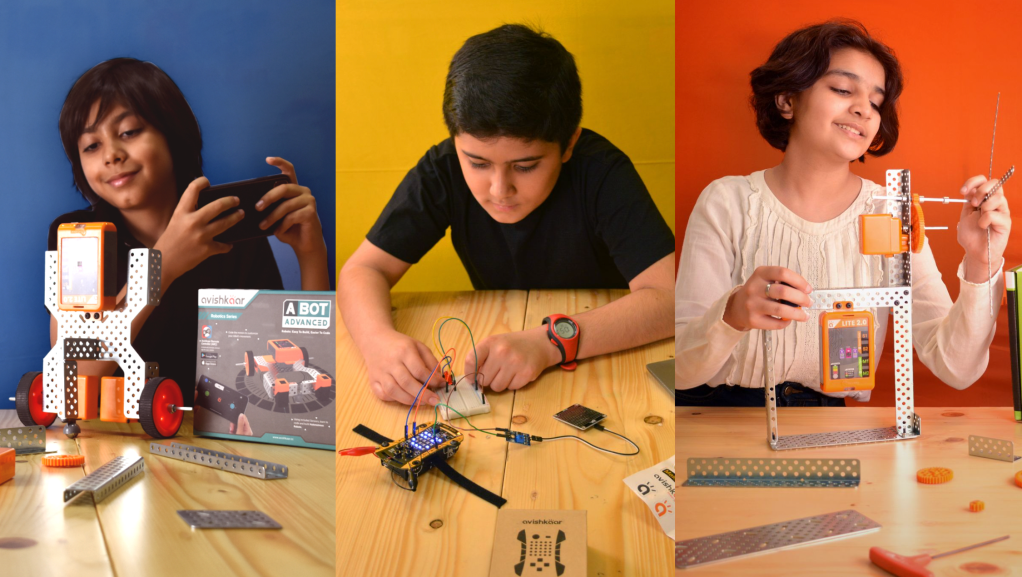
Building a $2 million annual STEM toys business and an edtech tech app with 100,000+ users!
What is Avishkaar?
Avishkaar is an end-to-end platform for kids to learn and teachers to teach next-gen technology skills like robotics, coding, electronics, IoT, game design & app development.
Their platform includes a set of DIY kits, a range of short to long term live-online classes, a series of monthly/annual international competitions and a global community app.
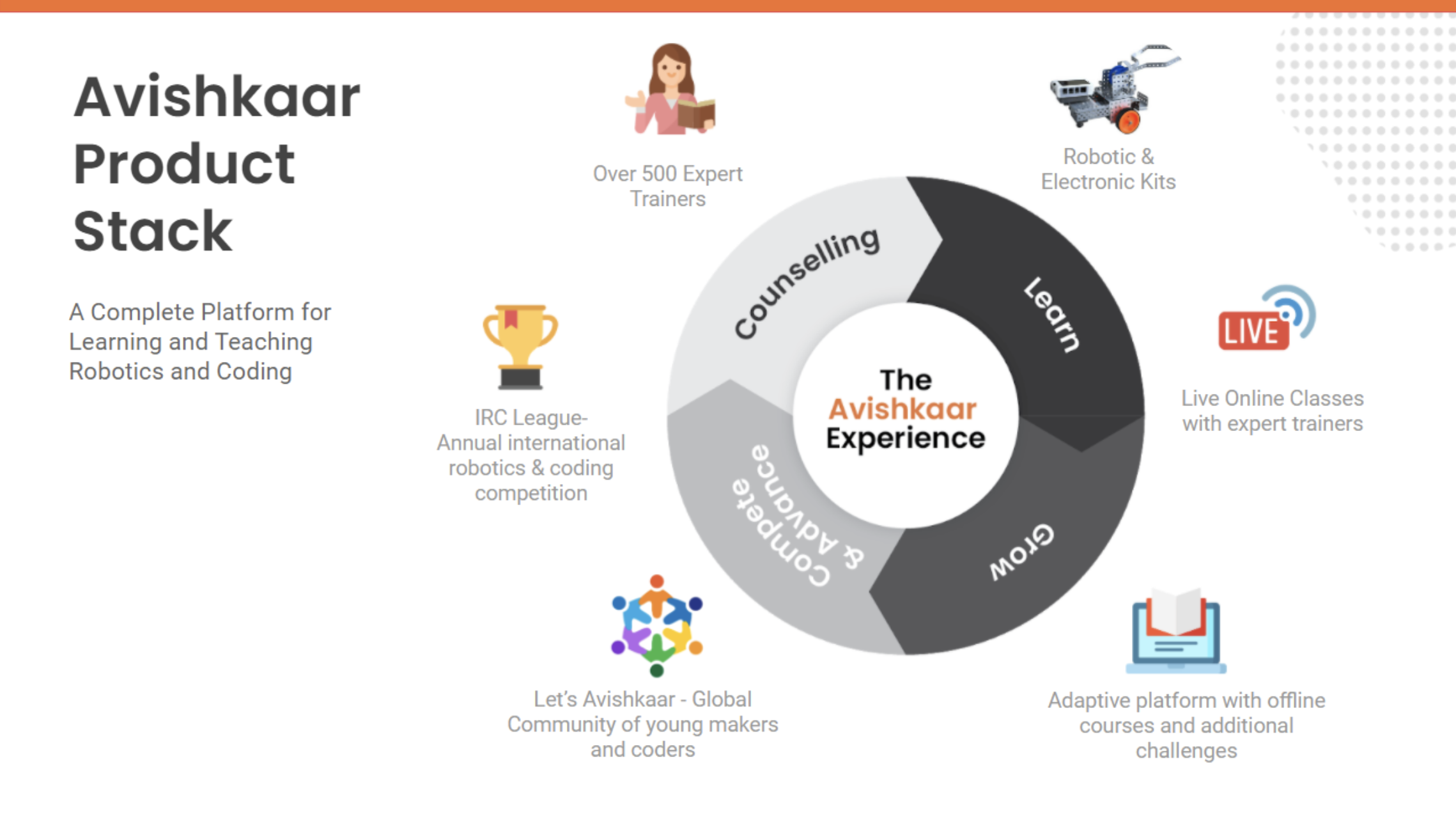
They are used by over 200,000+ innovators, 1500+ schools across 15+ countries globally.
Context
My history with Avishkaar goes back almost 20 years.
I have building robots and learning how to code since I was eight years old. And funnily enough I was the very first paying customer at Avishkaar back in 2004 and it was with Avishkaar only that I started my innovation journey.
Experiencing an upbringing in a business family, I was always entrepreneurial in nature. I completed my undergrad in design majoring in UI/UX design, and minoring in various including visual design, architecture, industrial design and experimental arts. I then worked with Honeywell as a UI/UX designer for an year. But soon my inner entrepreneur started to resurface and was craving for a bigger challenge.
That’s when the pandemic hit and I got a call from the CEO of Avishkaar who I had known for about 15 years at that point since he used to teach me robotics/coding himself in the early years of the organisation.
The pandemic had bought Avishkaar’s predominantly B2B revenue to a complete stand-still with no visibility into the future on when things might start to normalise. In such a scenario the organisation was looking for a product manager to build and drive the B2C product portfolio and business of the company.
With that context – I joined Avishkaar taking on the role of a B2C product manager.

Starting Stone & Intention
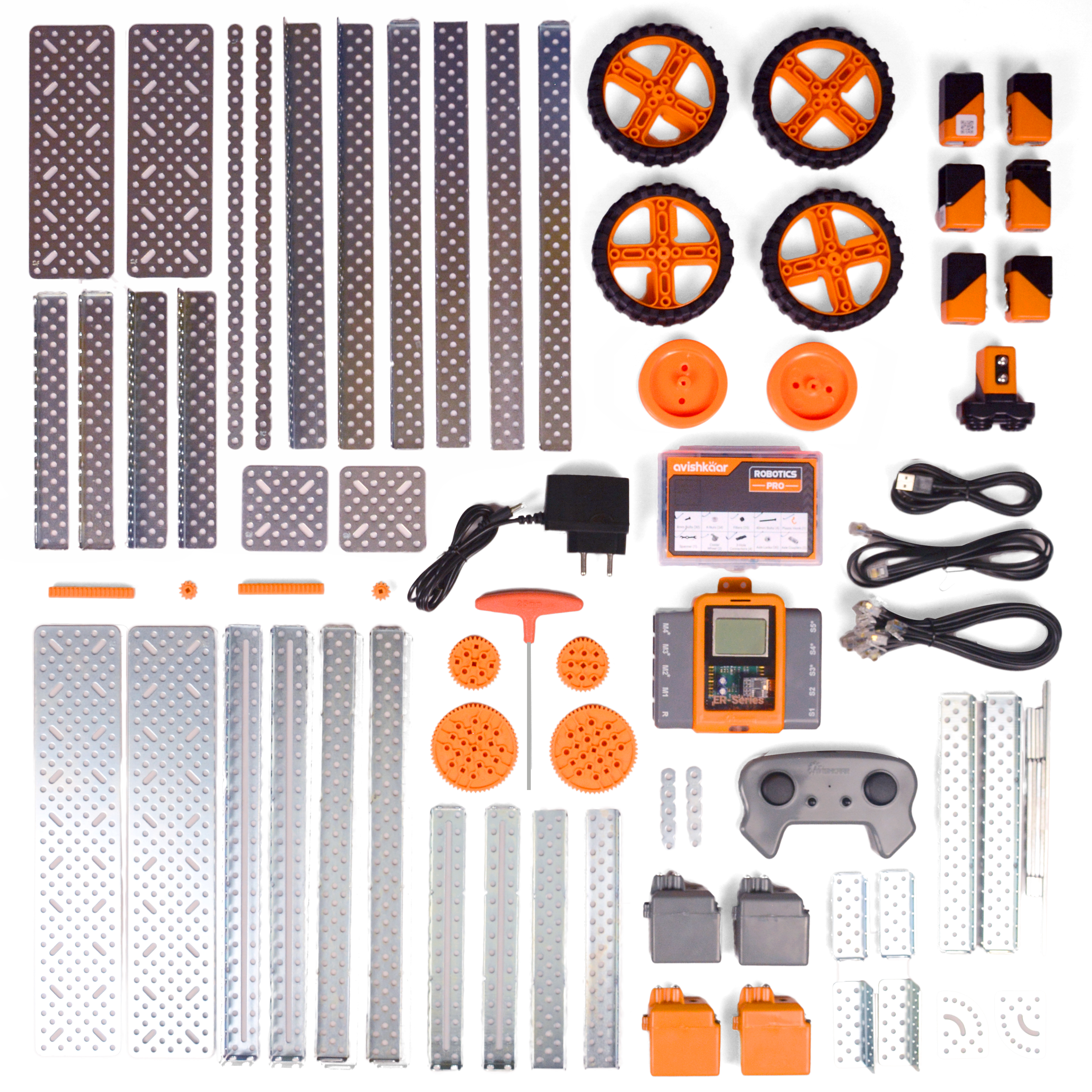
Avishkaar had already invested years building a modular metal robotics design system (called the ER-Series) which had a lot of different types of metal parts, sensors, motors and a fully programmable brain that could be programmed using a block-based coding software that they build in house.
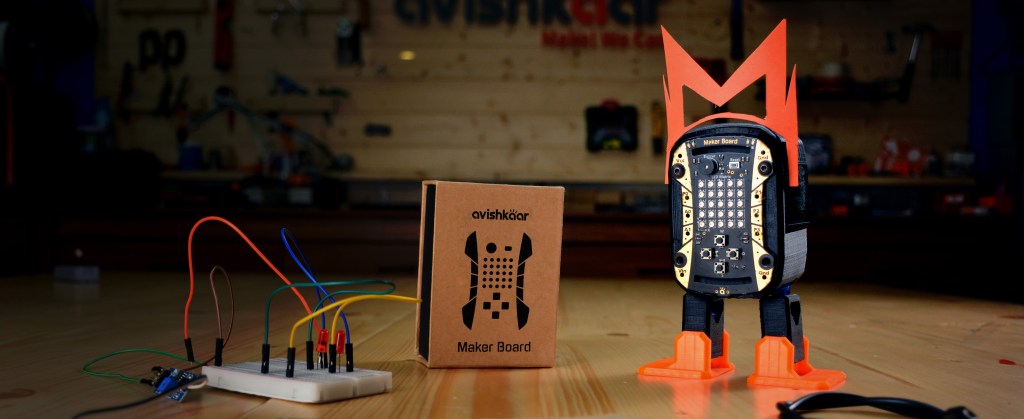
They had also produced an open development board (called the Maker Board) to learn electronics & IoT.
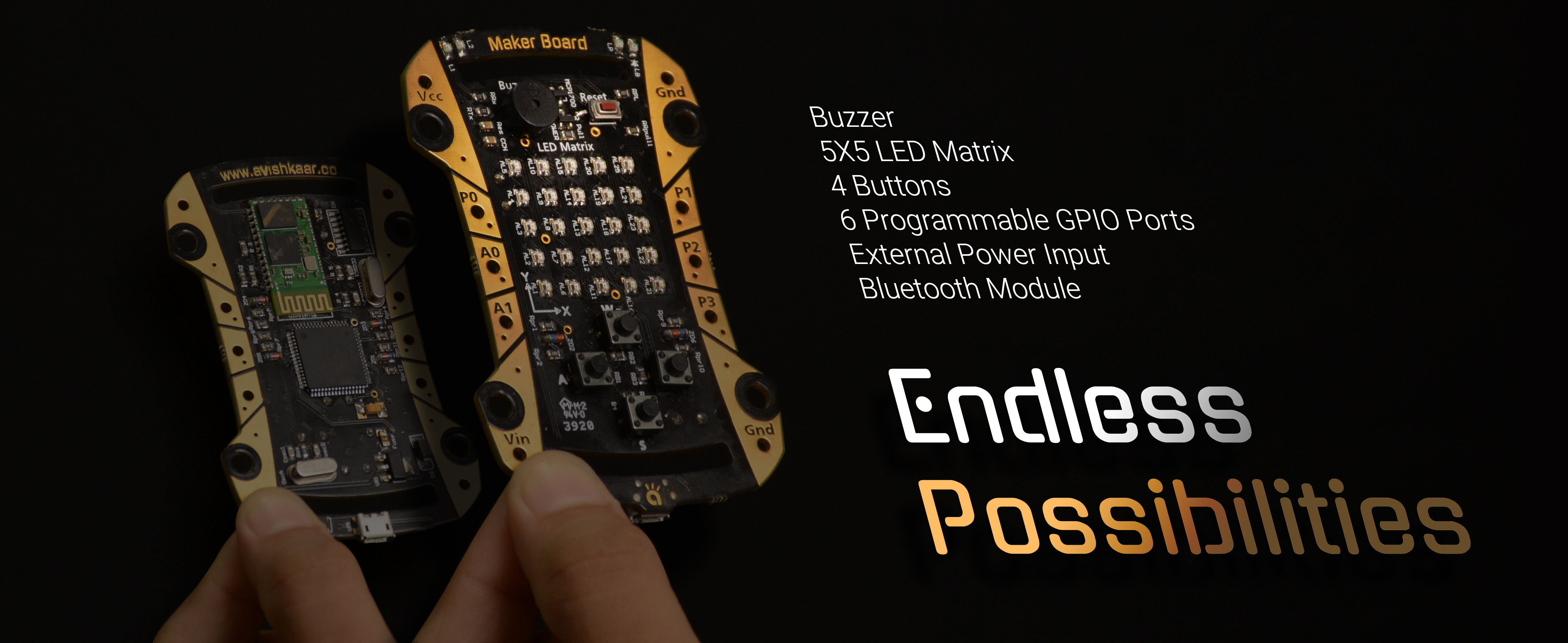
They had been using both of these since a few years at that point to conduct after-school clubs across thousands of schools in India and therefore also had a rich pool of graded curriculum for both the ecosystems.
These ecosystems and their curriculum provided me a great starting point to build the B2C portfolio from.
With our B2C portfolio – the brief had been defined by the founding team to explore two kinds of offerings :
- DIY STEM Kits
- Live-Online Courses
Research & Insights
I began by conducting market research of similar Indian & International brands who were popular in the B2C market for their DIY kits and live-online courses to identifying common features at various price points.
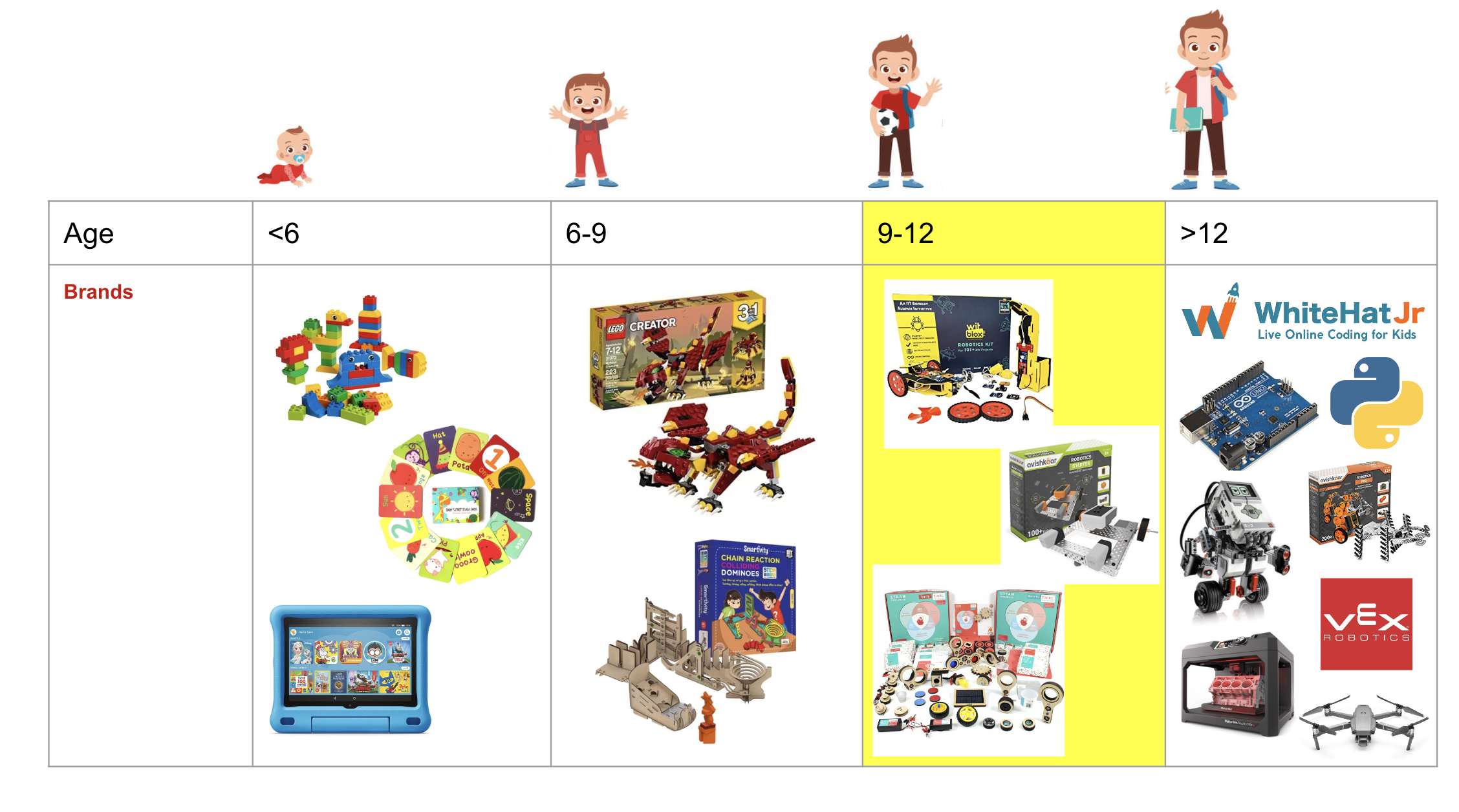
I also conducted primary research through interviews with Indian parents belonging to upper-middle socio-economic classes having kids under the ages of 16.
The intention was to first understand larger purchasing patterns for parents wrt their kids and then understand more focussed patterns vis-à-vis purchase of toys -> educational toys -> building & construction toys and live-online hobby classes or after-school clubs.
This is what I learnt :
- For STEM construction toys and sets – 8 to 12 seemed to be the best age. This is when kids are most excited about such toys and according to the parent’s, this is also when kids are old enough to be able to meaningfully utilize such products. Before 8 parents and kids are more interested in plush toys, dolls, race cars and other simpler toys. After 12, kids are enamoured by more tech purchases like buying a cell phone, a smartwatch and other such gadgets, and only the serious enthusiast continues to purchase more advanced construction sets.
- For live-online courses – the best age seemed to be 12+ because that’s when the parents are more motivated to enrol their kids into a longer more educational experience and find that the kids have the right temperament to utilize the course appropriately.
- Schooling, health and lifestyle represent the lion’s share of expense made on a child by a parent. For toys, the perception is that it is something that will only be used for a month or so, was to be bought once every month or two, and hence does not warrant a single-time expense of more than 20$ – 30$. Anything more, needs to be a serious educational, hobby or career pursuit – like learning music or sports. Same with live-online courses, parents prefer to start with a smaller more affordable crash course before investing into a longer journey.
- In the modern age of working parents’ – both the parents are always short on time. When they buy a toy for their kid or enrol their kids into any sort of classes – they expect to mostly be hands-off.
- And finally, whilst parents preferred simpler products and experiences when exposing their kids to a new hobby or skill, but went for a brand that offered a longer learning pathway.
Implications for the product portfolio :
- Target 8 to 12 age group for DIY STEM kits.
- Target 12+ age group for DIY STEM kits.
- Build affordable entry offerings – both for DIY kits and live-online courses
- Ensure our kits are TRULY DIY and the live-online classes can be easily navigated with the trainer and a child without a parent’s intervention.
- Build an in depth ecosystem to provide pathway from beginners to advanced
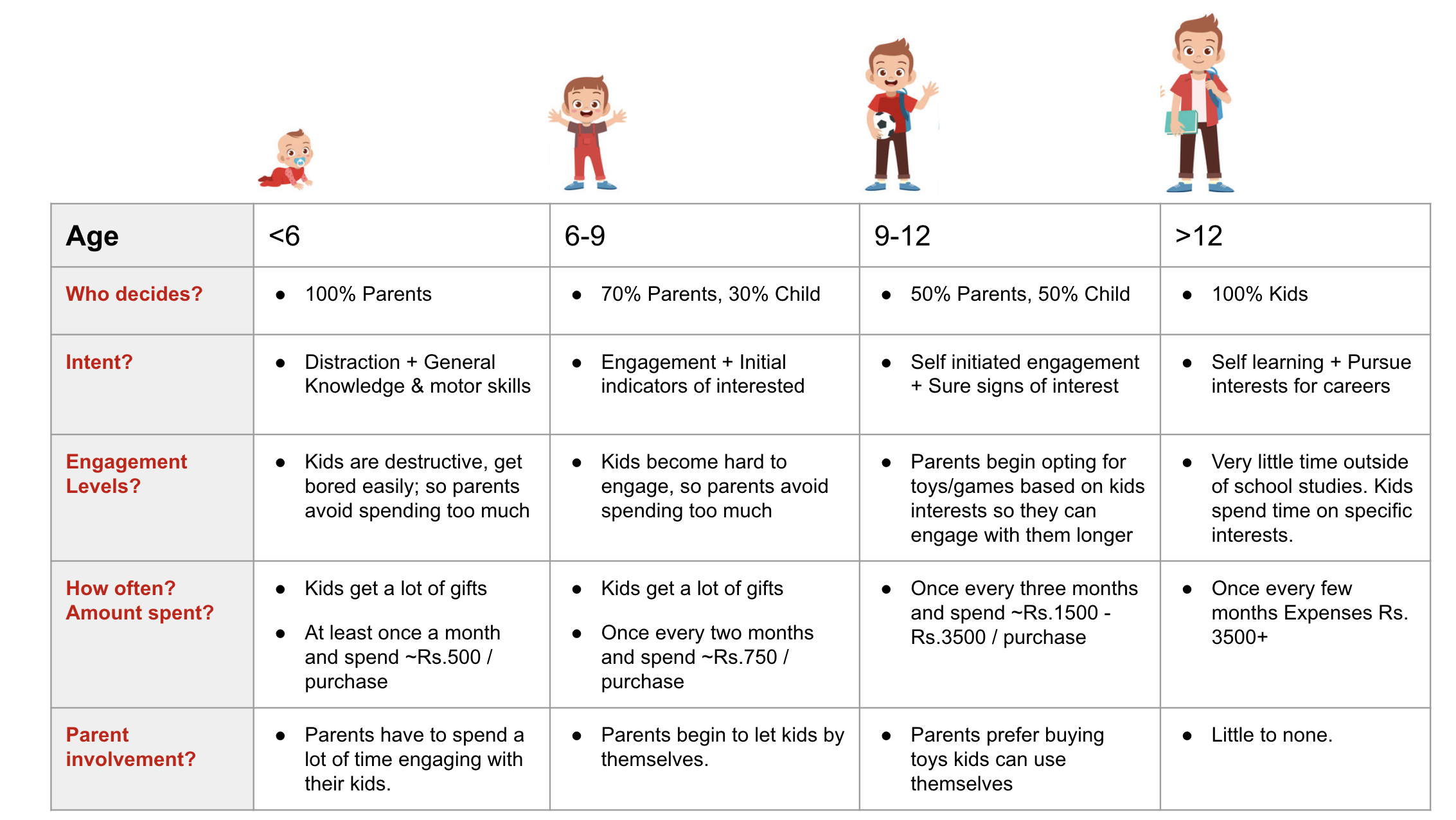
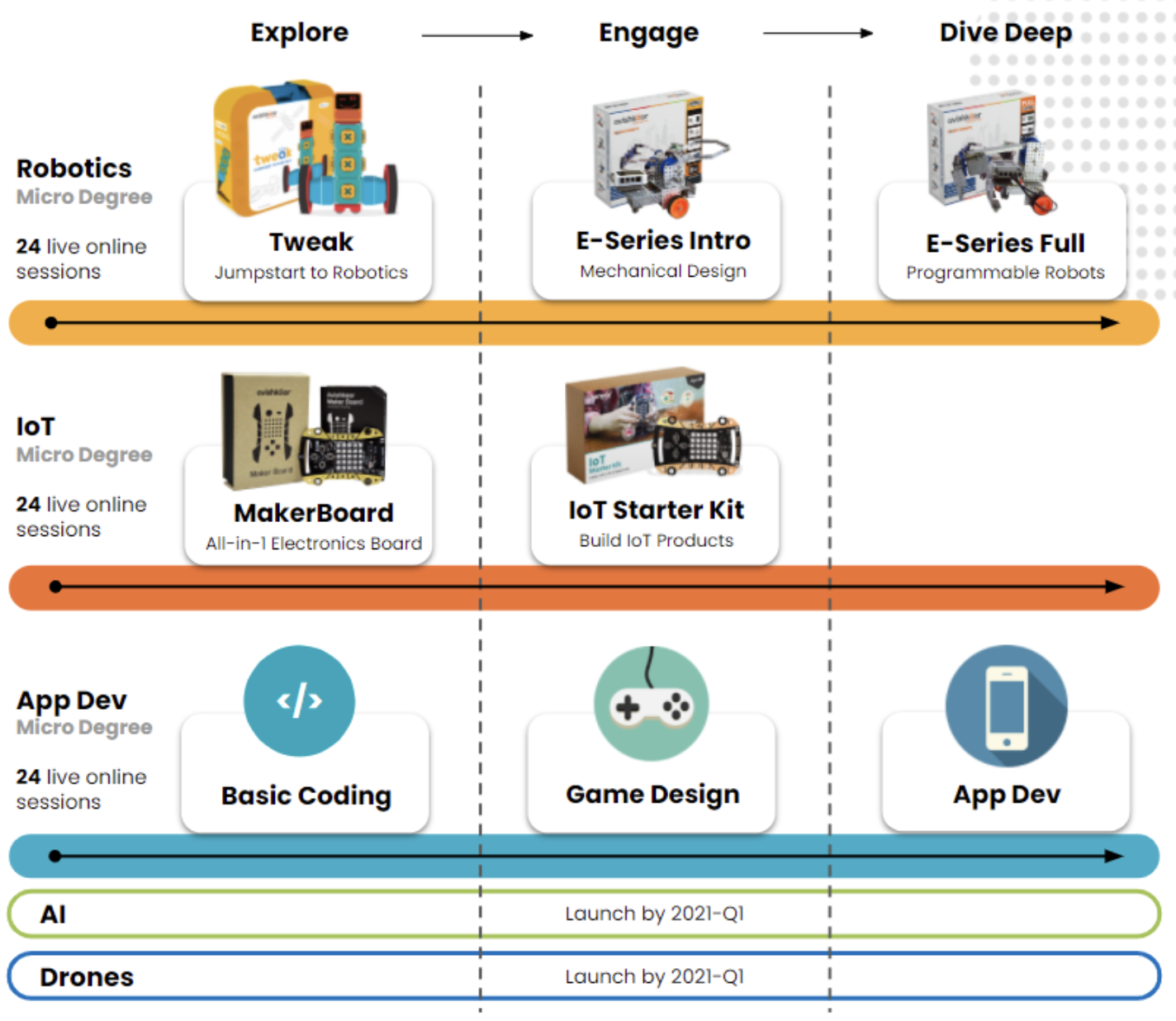
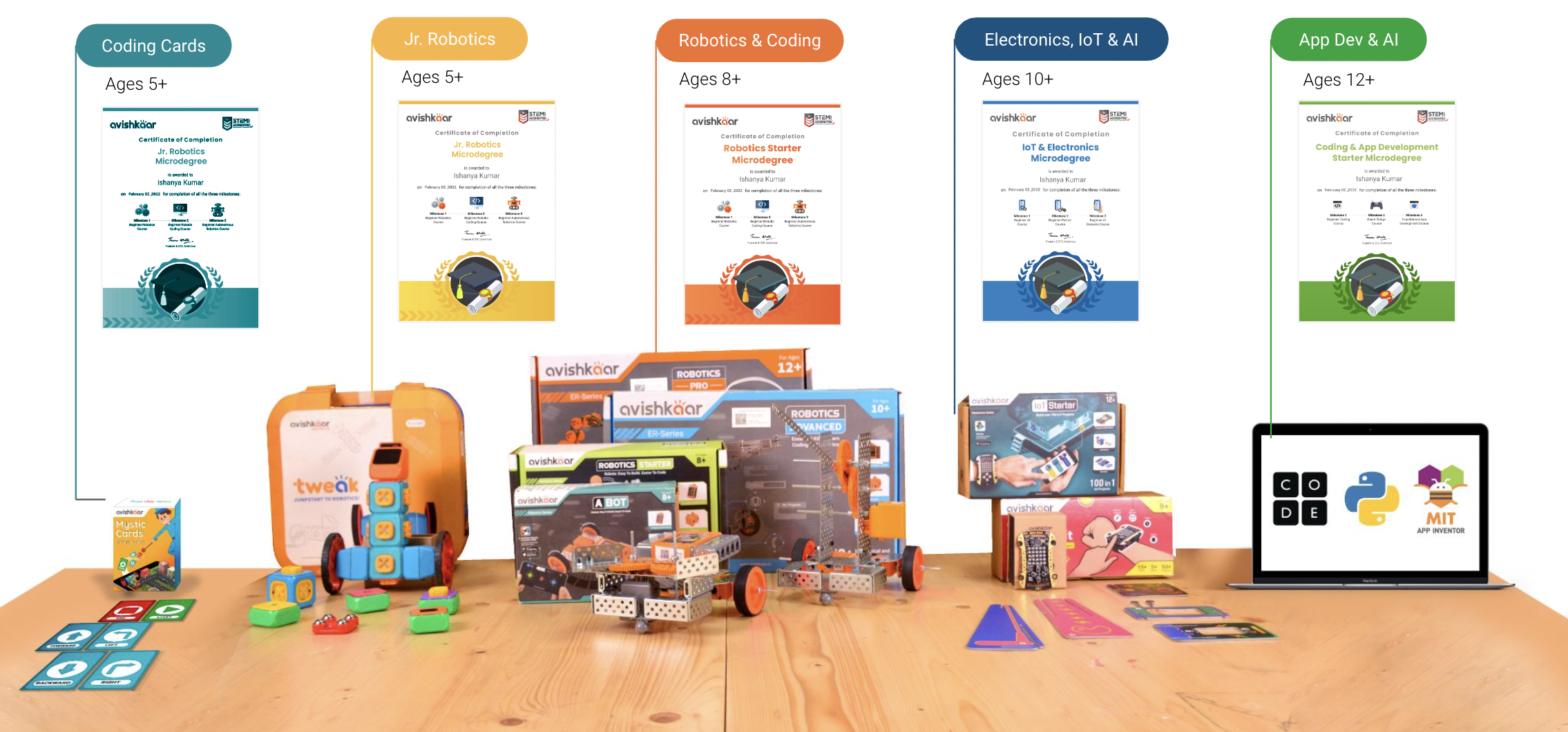
B2C Product Ecosystem Vision
This led to a product creation framework and a specific product roadmap considering various entry points into the ecosystem and navigation possibility in the ecosystem through bridge kits.
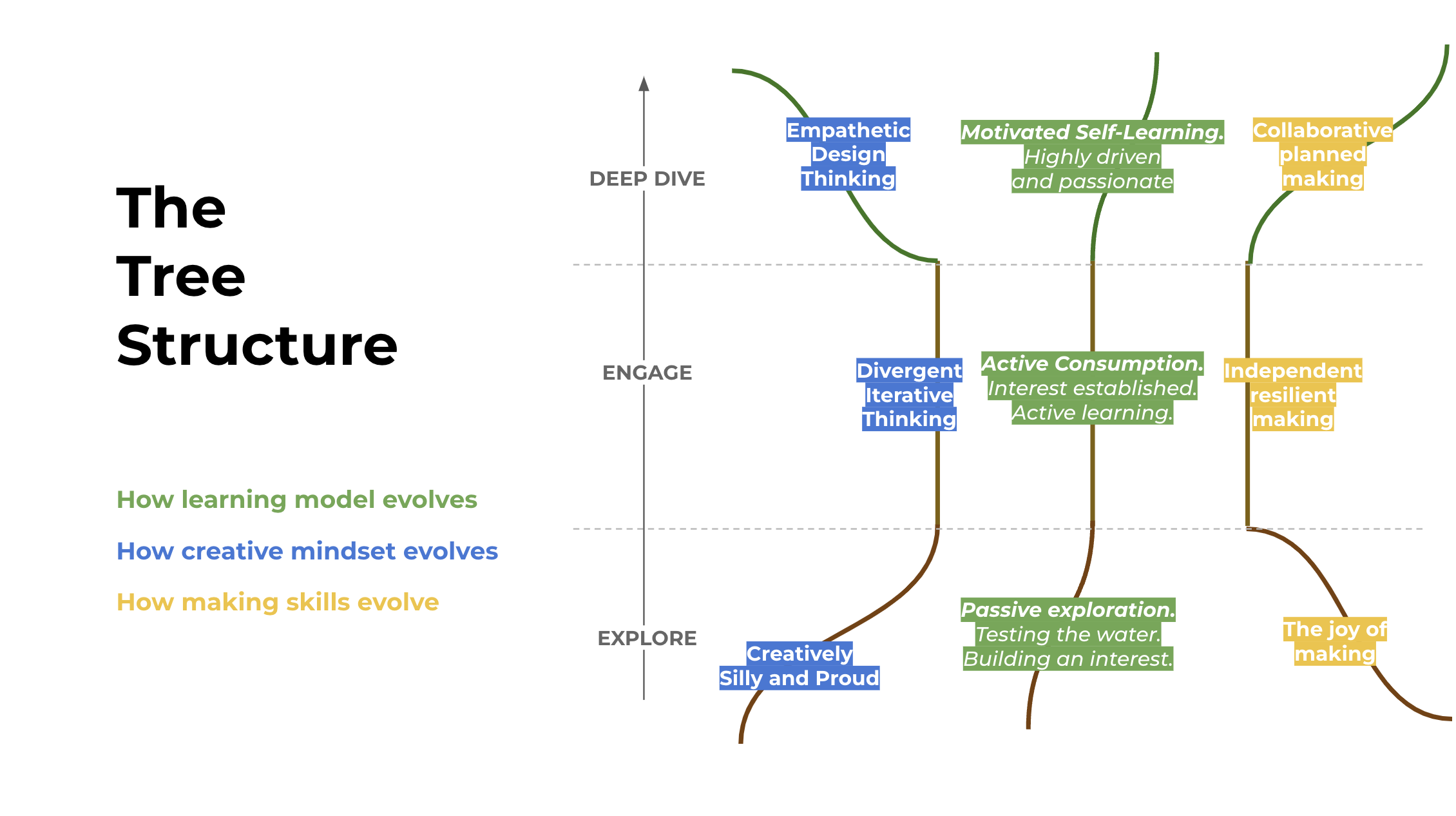
Product Launch
Post creation of this skeleton product roadmap, the responsibility of actually developing and launching the live-online courses went to the curriculum and courses team which was already doing a similar job for their B2B offerings.
Whilst I took the lead to build a product team to design and launch the DIY STEM Kits.
The process we defined for designing and launching each kit had four phases :
Product Definition
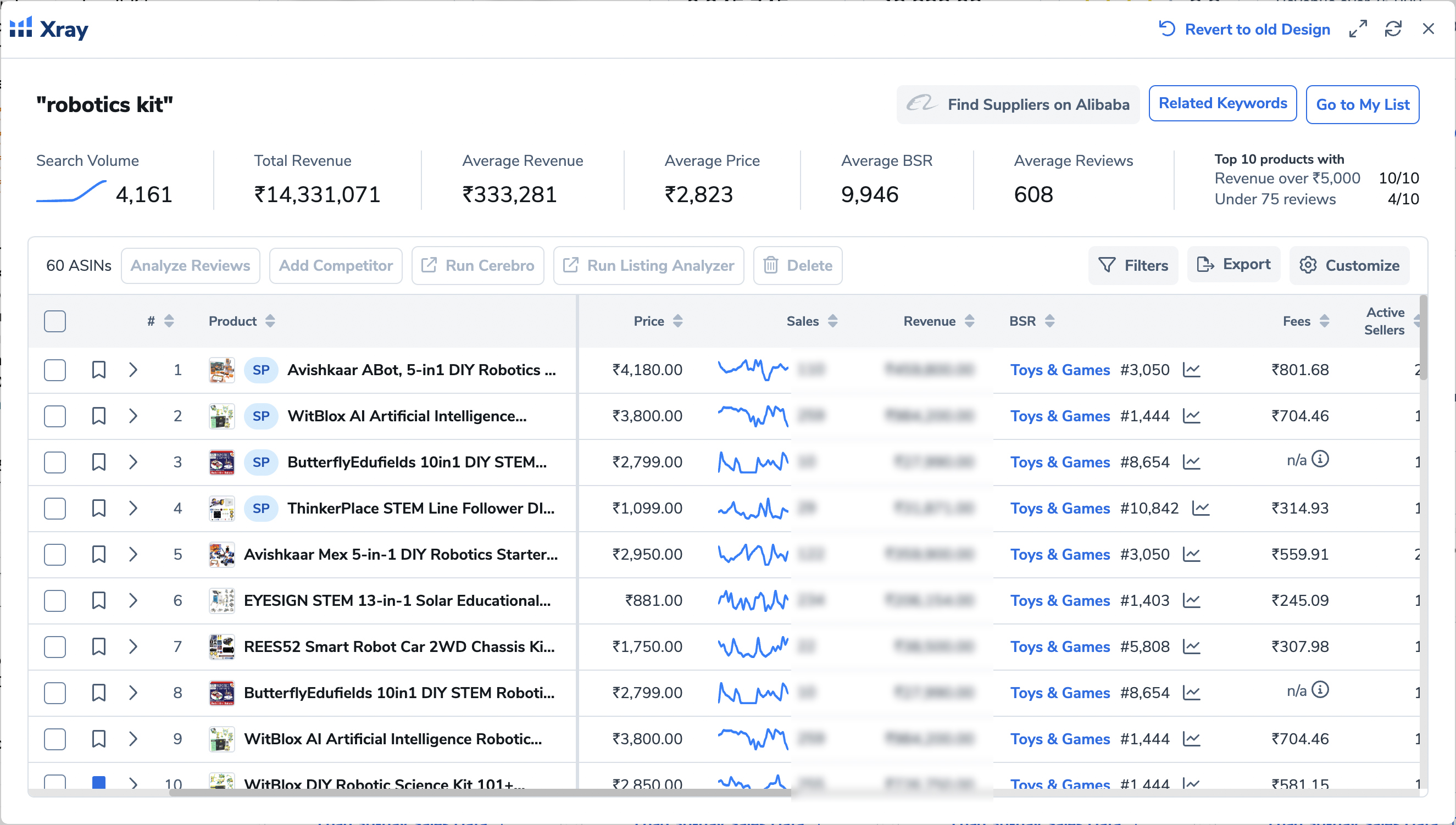
Our B2C DIY STEM kits strategy was rooted to product sales on amazon, price points and associated features for competing products. This was data we were able to get through third-party marketing tools.
This helped us understand loosely what projects, learning outcomes and features were expected at a given price point and how big were the product segments in unit volumes and total sales.
Project Research
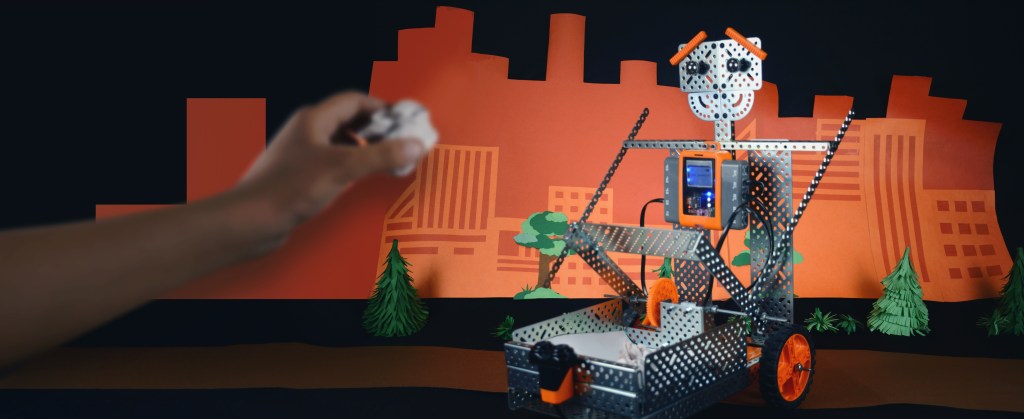
After identifying price points and learning outcomes, the next phase was project research which involved mapping established international curriculum standards to exciting projects while staying within the parts availability constraint for a given kit based on its price.
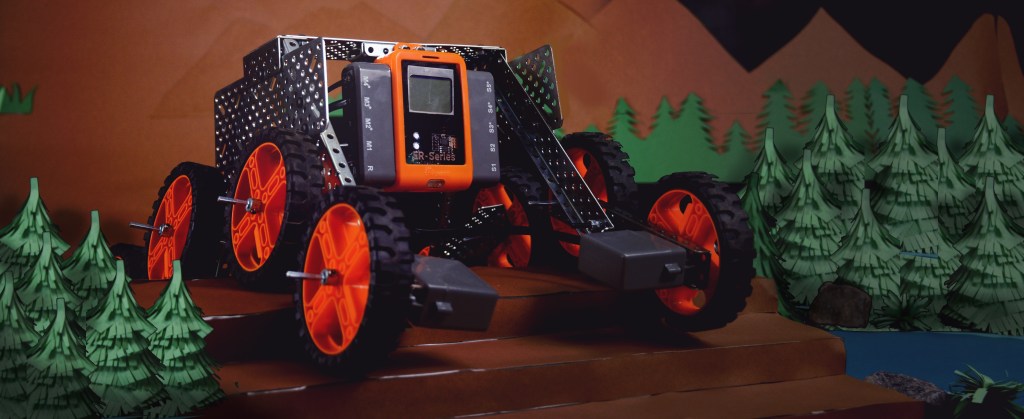
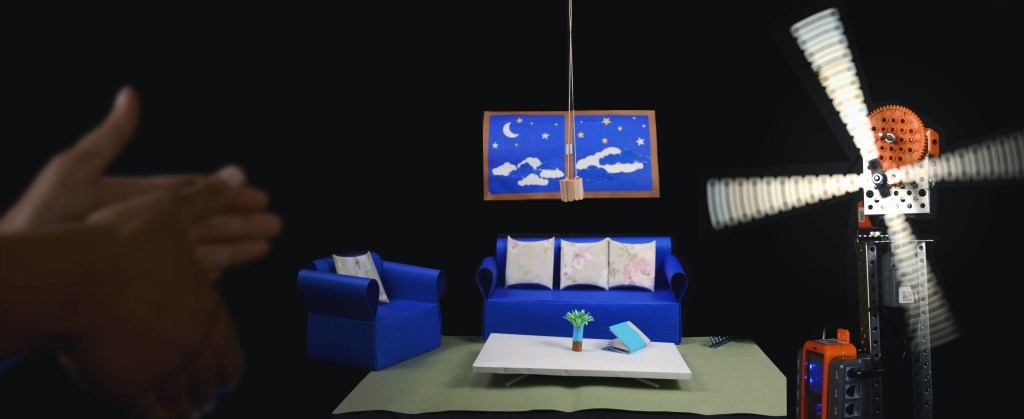
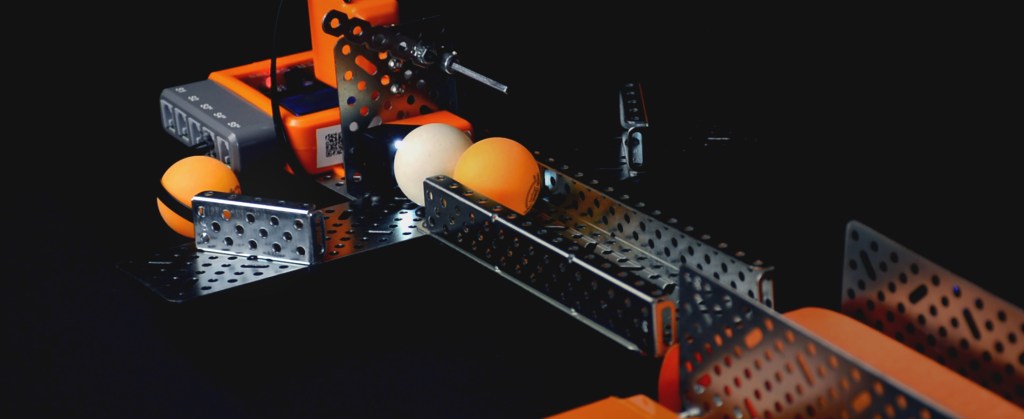
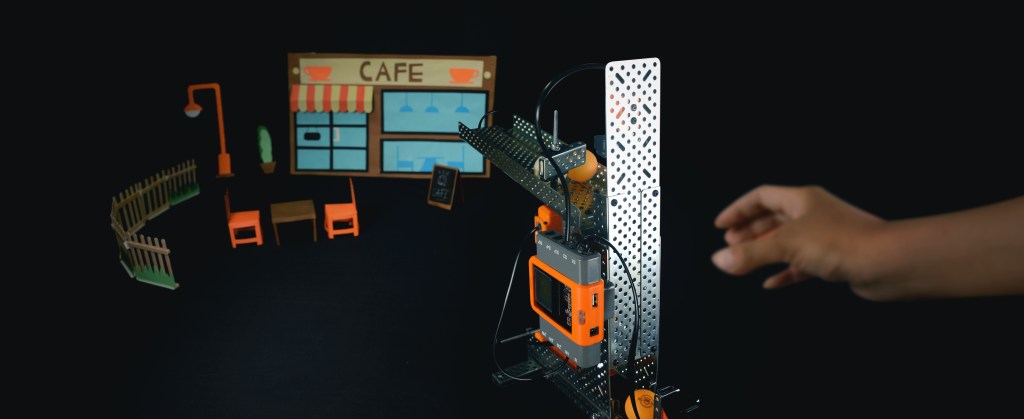
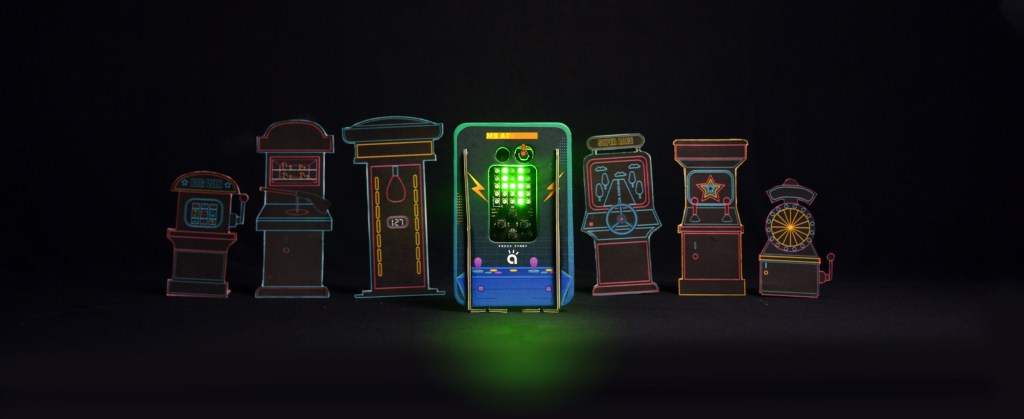
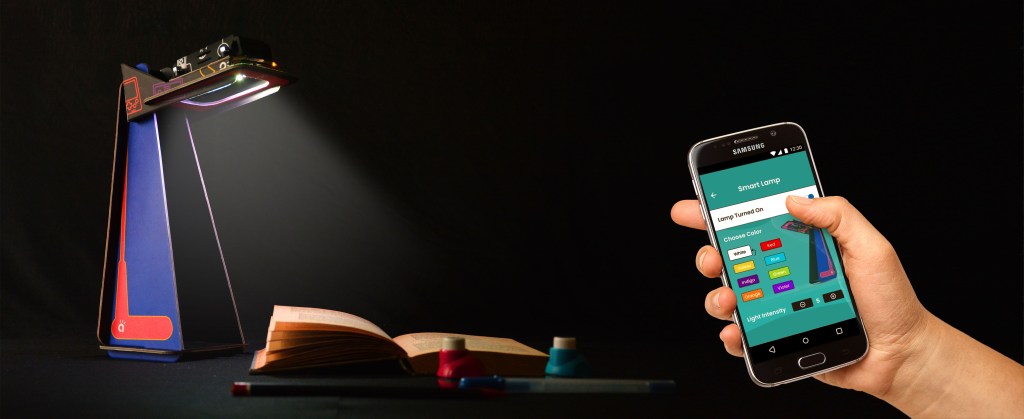
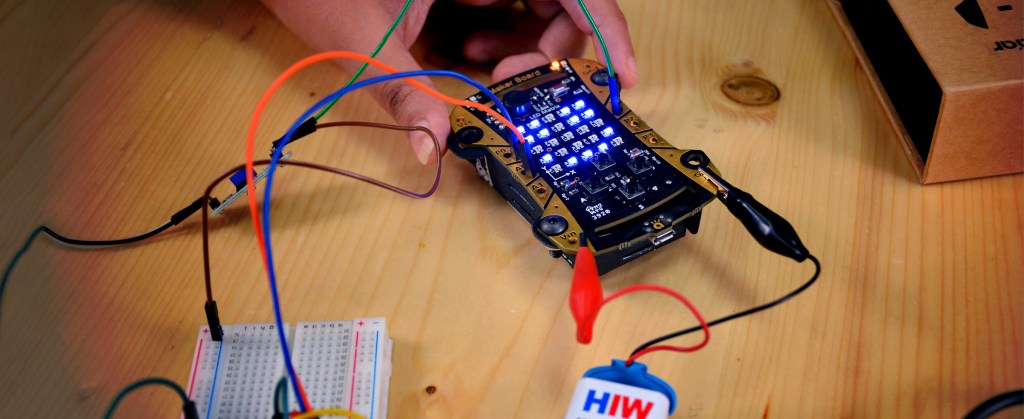
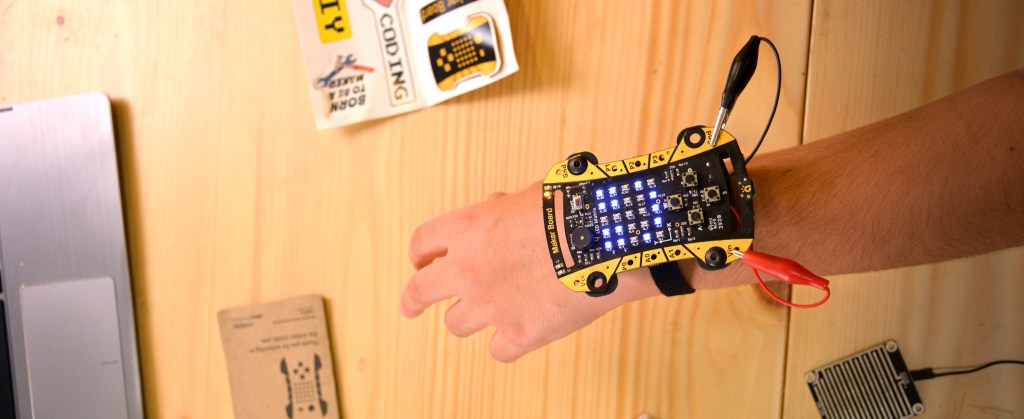
Here are some of the many projects we created across our plastic, metal and electronics ecosystems :
Instruction Manual Design
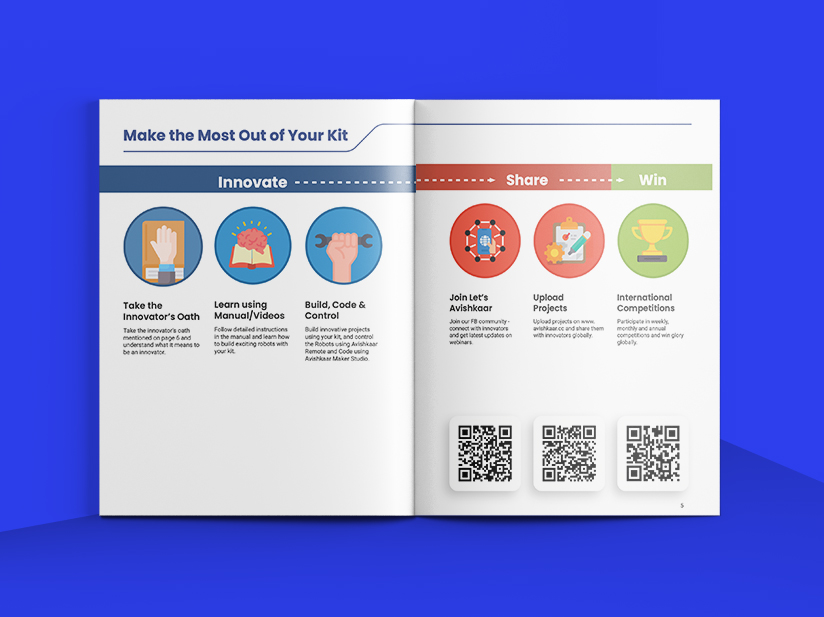
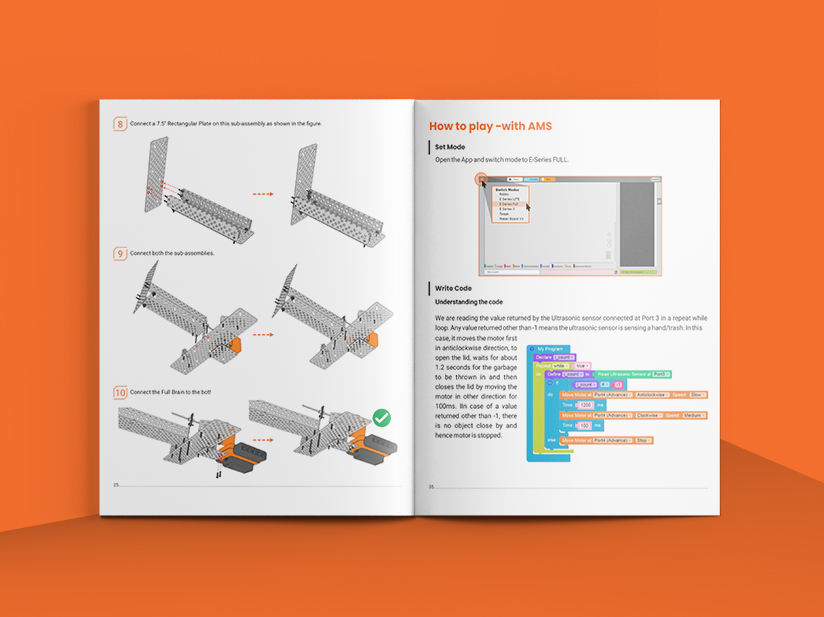
Next was the design of the instruction manual for these kits and projects. This was an iterative design process where we intended to design a truly DIY creation experience for a child, while simultaneously ensuring they experience the entire Avishkaar ecosystem of creating/coding robots, sharing with online community and participating in our global competitions through a gamified journey.
We continued to improve the design standards for our manuals based on user testing and customer inputs over the next two years.
Packaging
The B2B boxes in existence were plain plastic boxes with simple branding. The packaging for the B2C boxes had to be redesigned for a high show value, more consistent branding standards and a DIY unboxing experience which gave the user an understanding of the product before they get to actual creation.
We also optimised the boxes for a future retail store launch of these kits (as opposed to an online sales channel).

E-commerce
As previously stated, our B2C product strategy was rooted to selling on Amazon. So we defined a well-structured e-commerce launch process for each bundle.
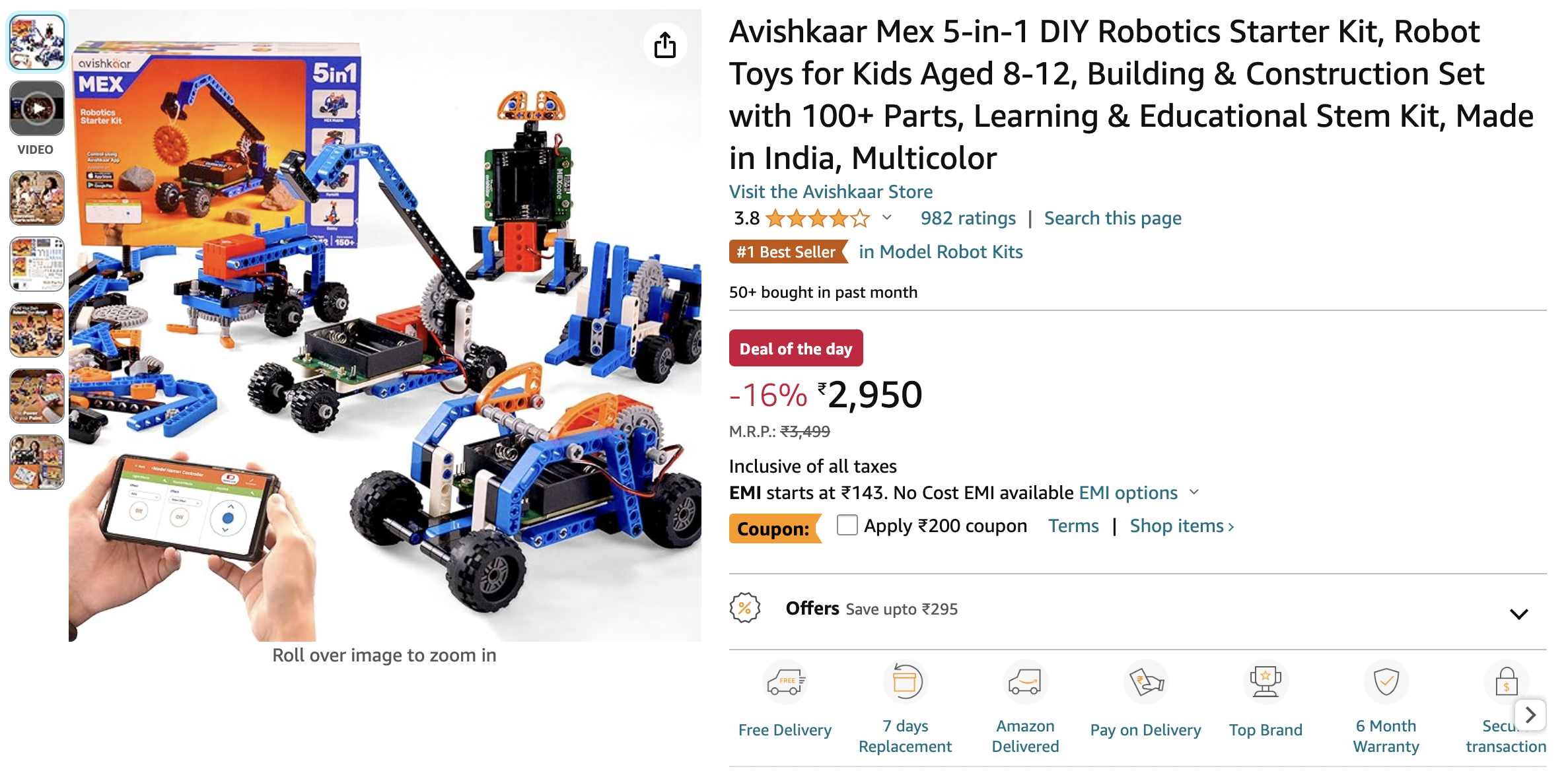
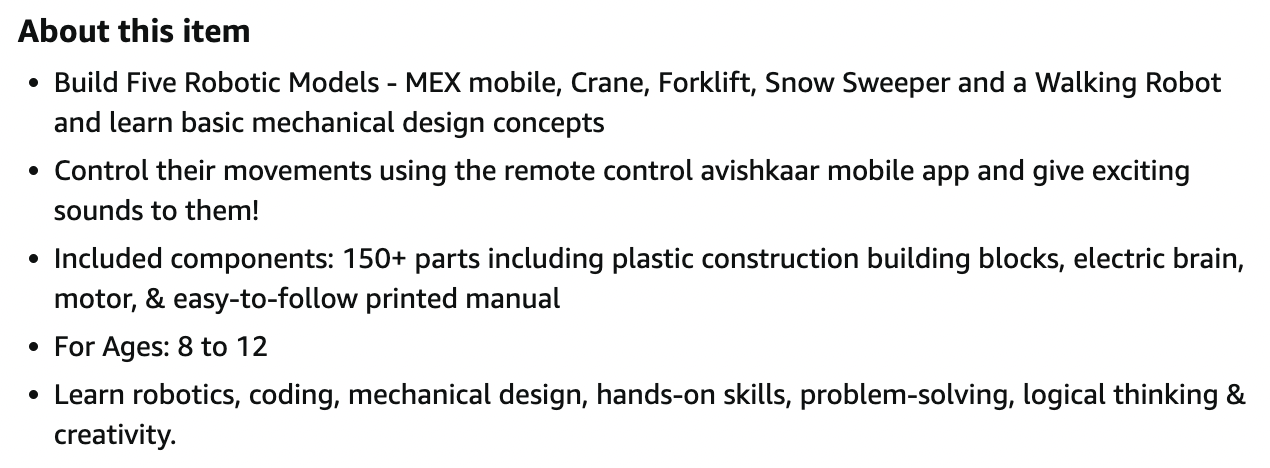
Listings – SEO & Keyword optimization
The relevant keywords were identified again through a third-party tool based on keyword volumes and we made sure to meaningfully add them in title, bullet points, descriptions and even in meta tags.
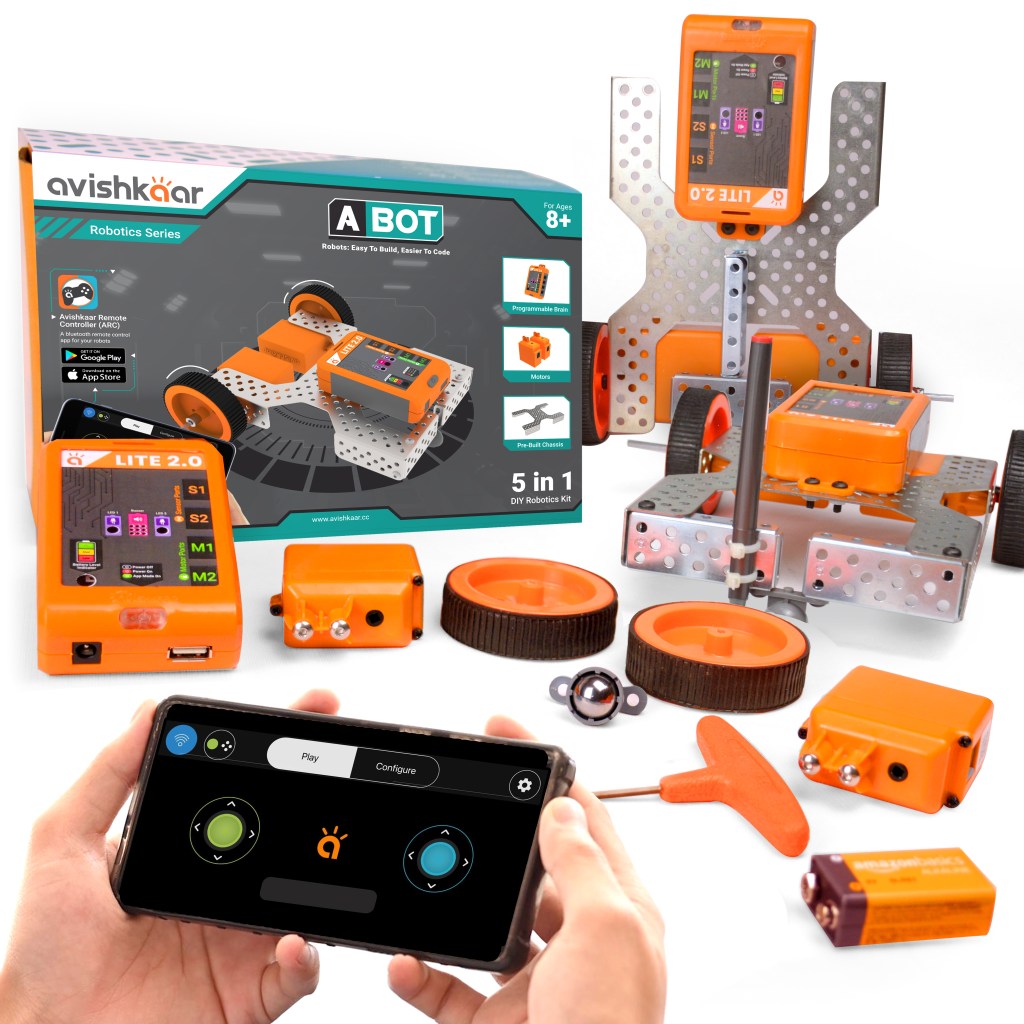
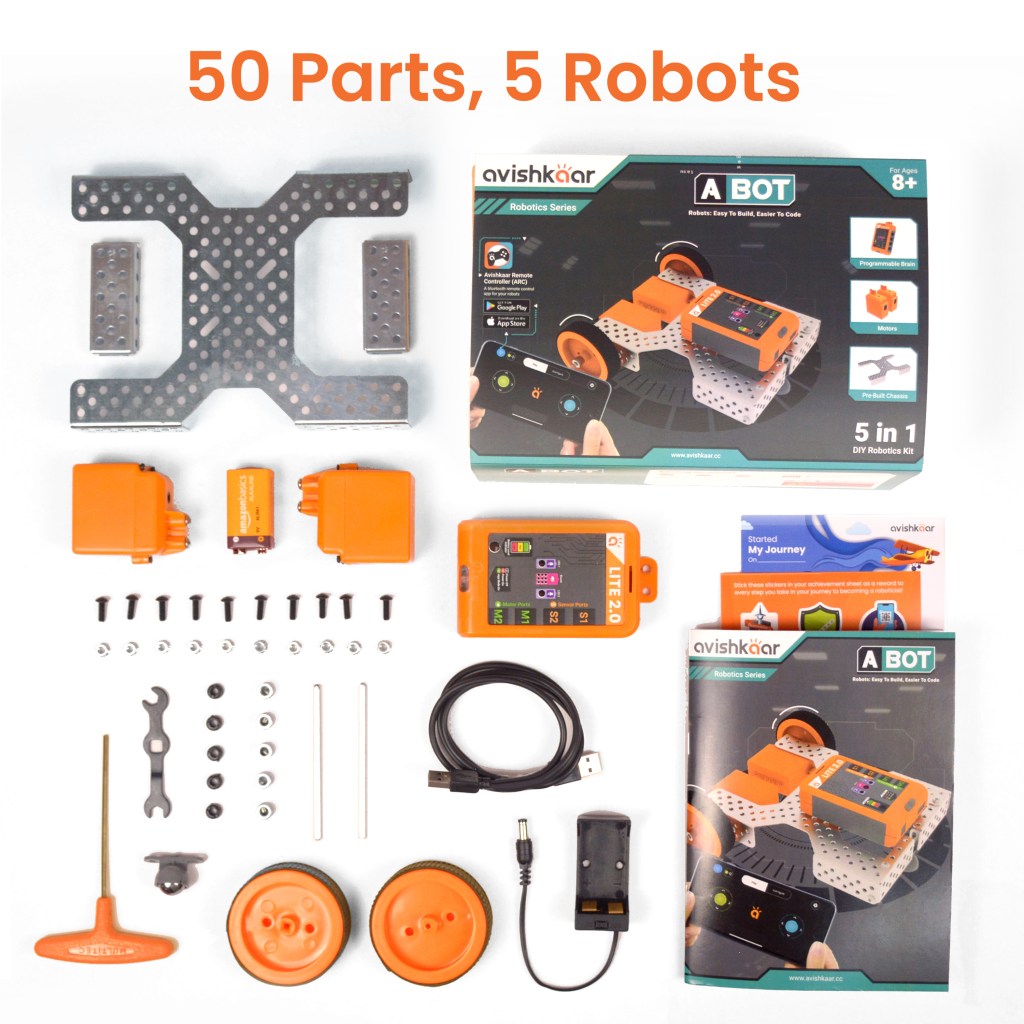
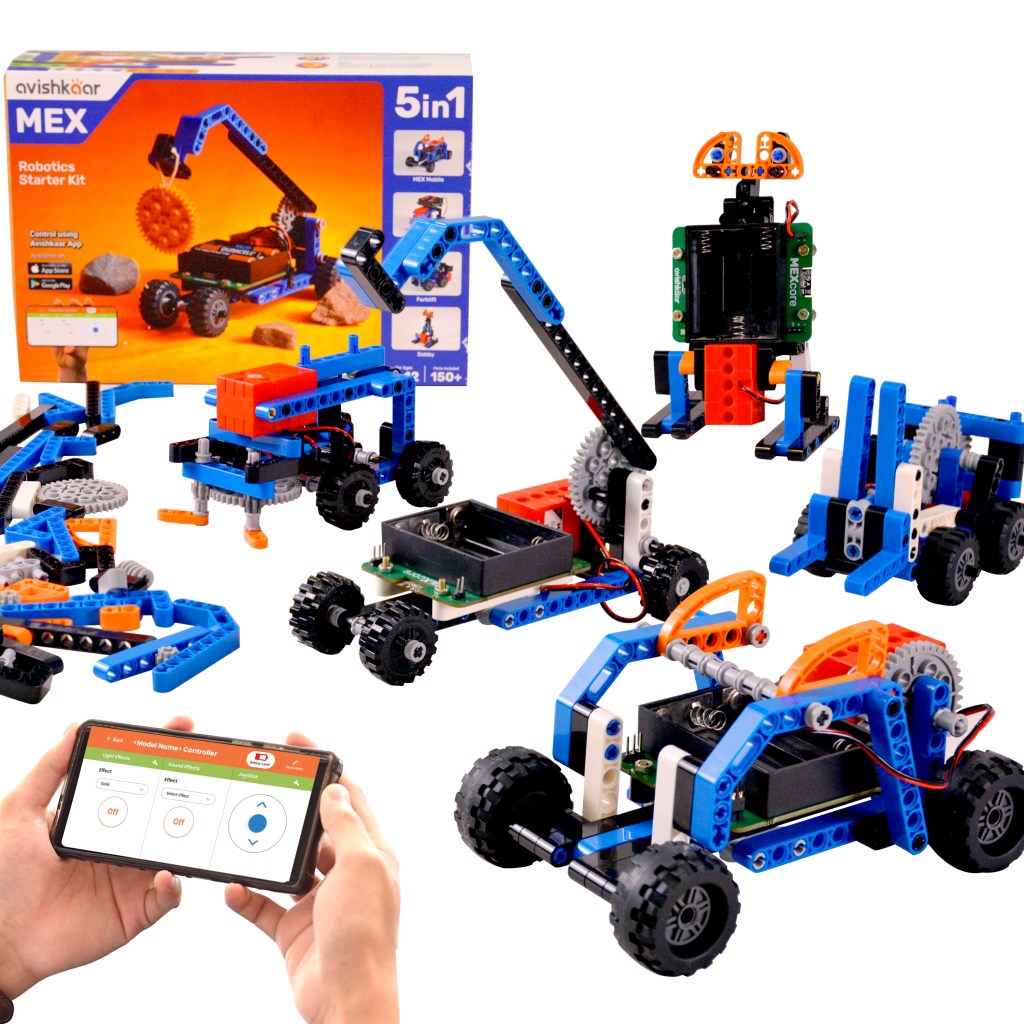
Marketing Material
A combination of descriptive and extremely eye-catchy images were created to ensure customers are well informed about the product but also go away with a perception of a premium brand after they looked at the images.
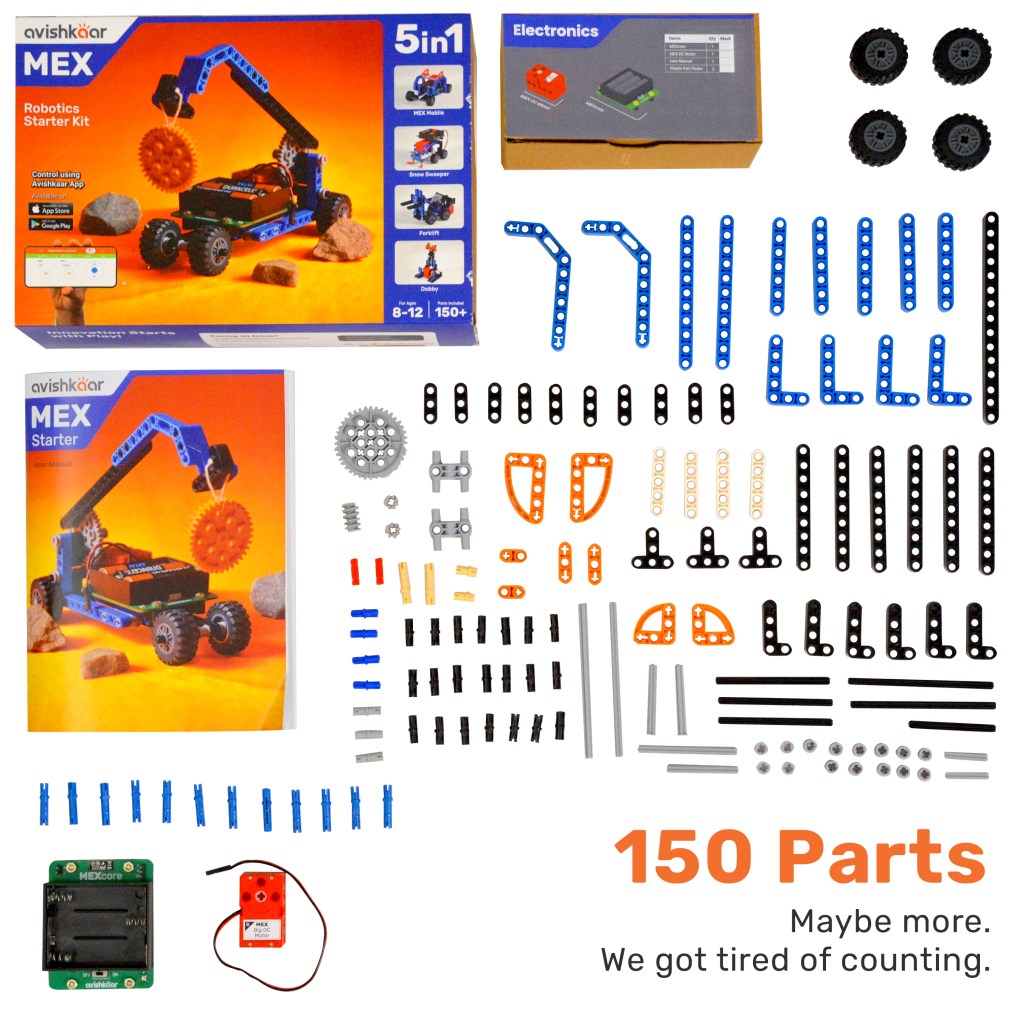
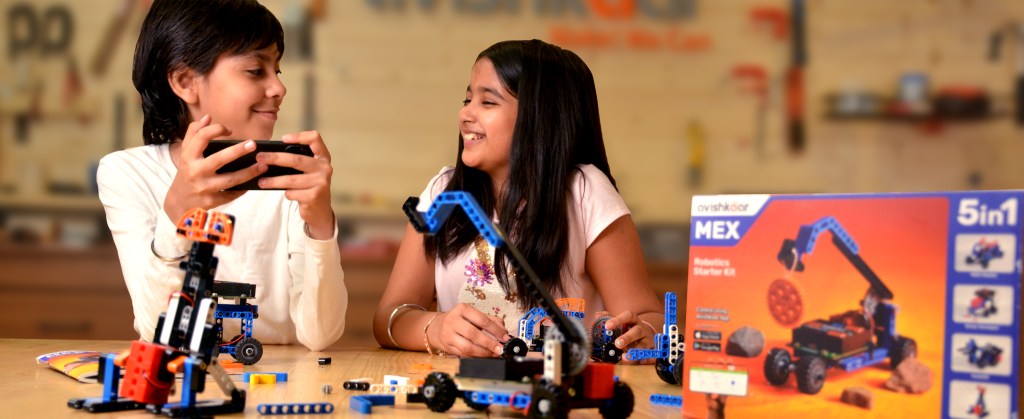
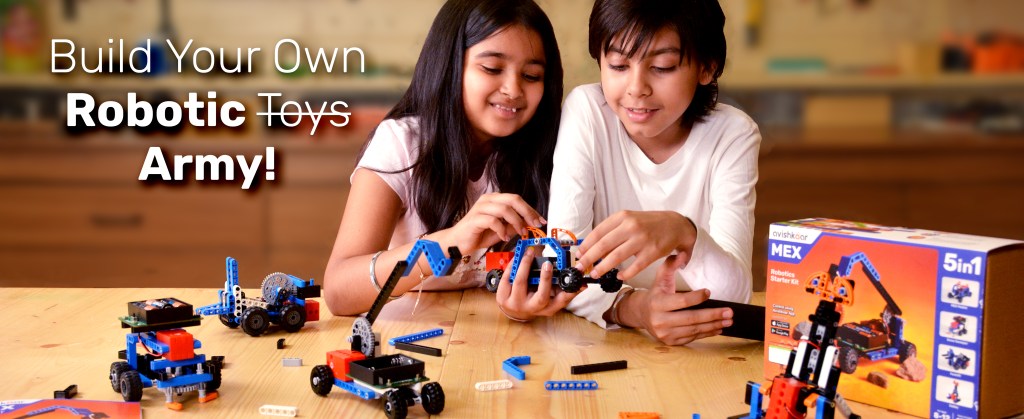
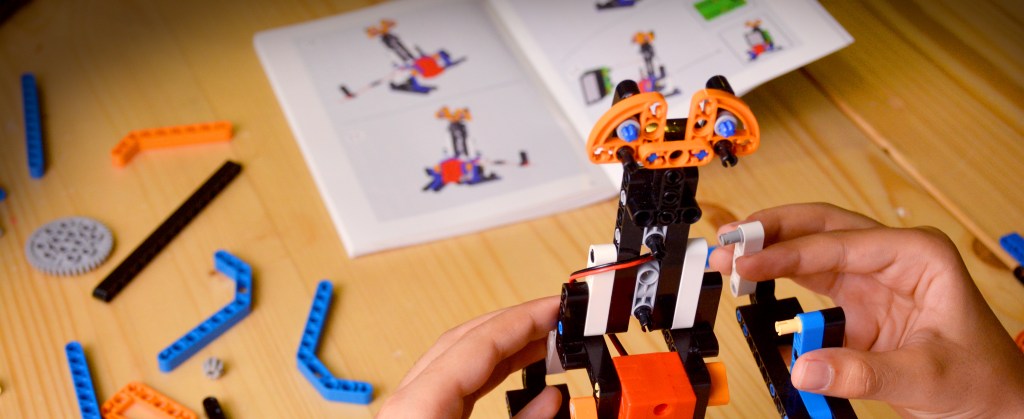
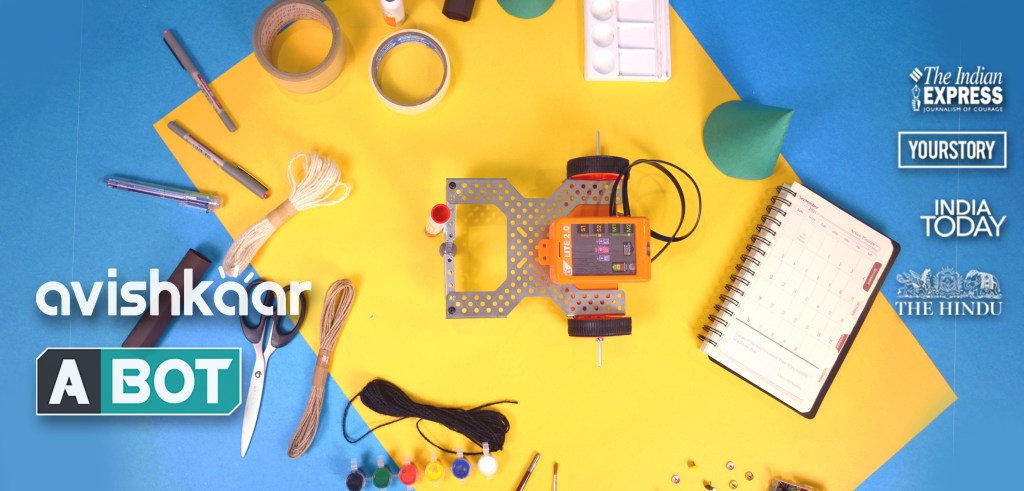
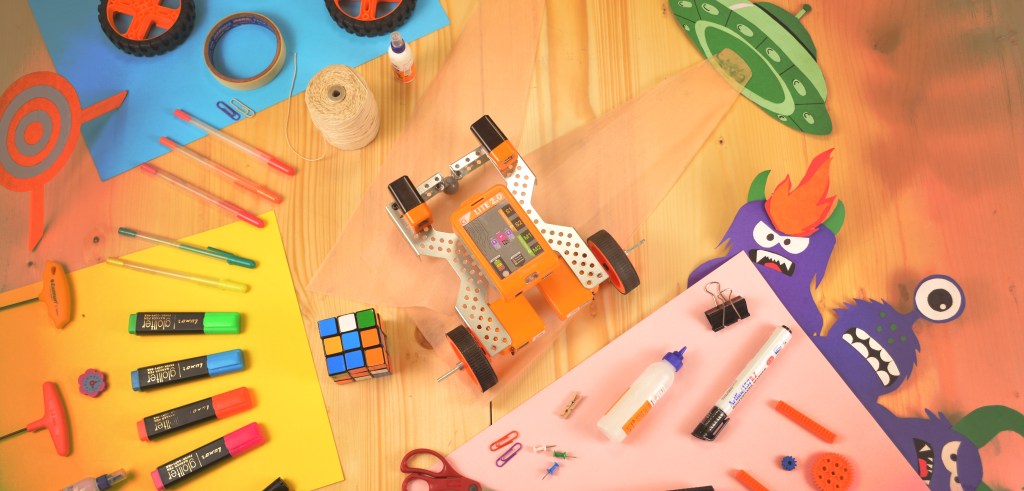
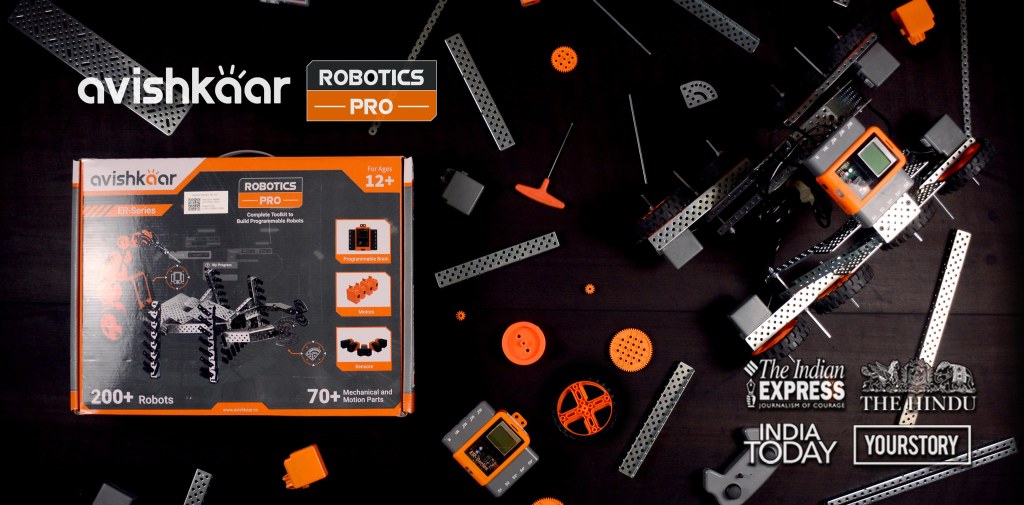
Product marketing videos were made targeted mutually for the parents (talk a lot about learning outcomes) and the kids (create a lot of excitement and cool factor through engaging project demo clips).
We would also make longer unboxing and explanatory videos so prospective buyers can imagine their journey before purchasing the product itself.
Ads
Various ad formats were run on both on high volume generic keywords and low-volume specific keywords. These were regularly optimised, paused, moderated and amplified based on a single metric of CAC (customer acquisition cost).
Close to 50 keyword cohorts were identified and ad assets were made for all of them specifically.
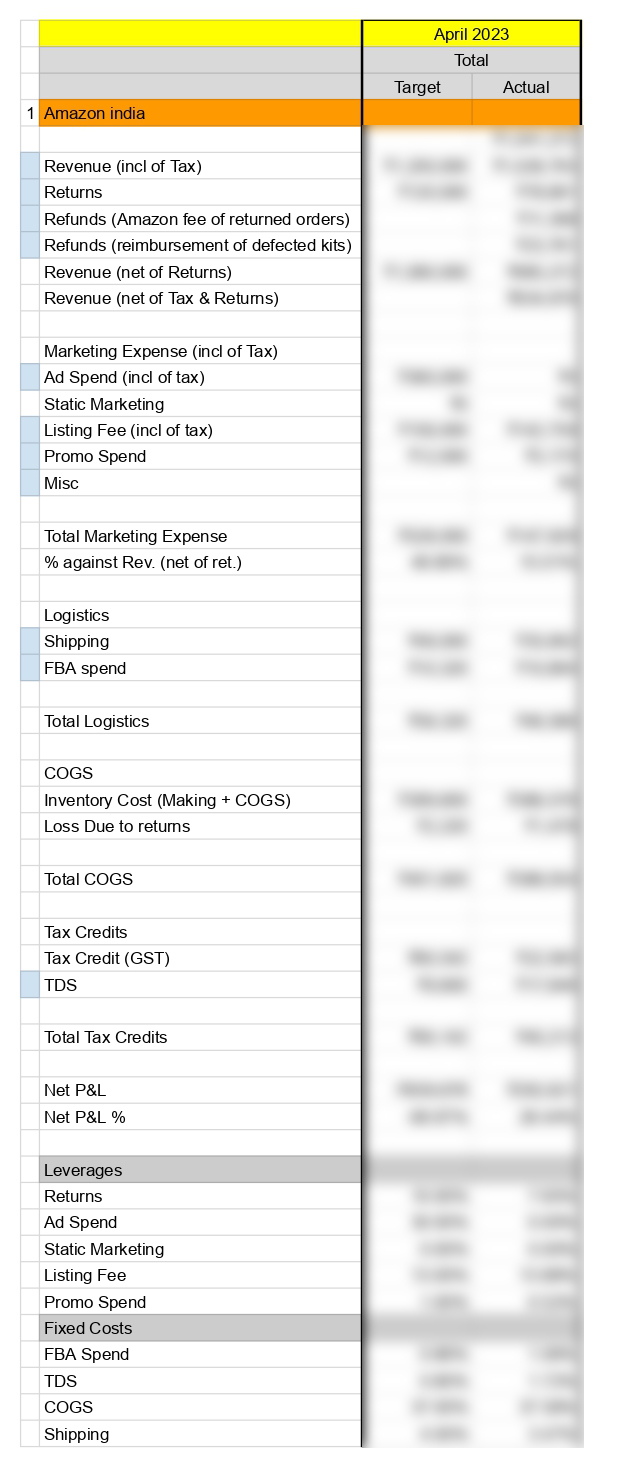
P/L statements
Detailed P/L statements were created to understand end-to-end costs and SKU level profitability so frequent decisions could be made on which SKUs to push which to moderate and the price points to launch new SKUs.
Global Enablement
After becoming #1 best seller on Amazon.in (India) we set our eyes on global territories. Again going through the same cycle of identifying price points and features and launching existing relevant B2C SKUs on Amazon.com (USA) and Amazon.ae (UAE).
This came with the additional challenges of getting the right kind of safety tests done and optimising inventory planning to reduce shipping costs which turned out to be a big chunk of cost in our overall international P/L.
Social Media / Content Marketing
After a point we maxed out the business we could extract from Amazon, and an increasing listing fee that Amazon would charge us meant we had to start focussing on driving business through our own website to push profit margins.
Facebook and Google
The first thing we tried was running straightforward fb and google ads to pitch our products as commodities. But we soon realised this would not work very well because the purchase intent is very low on Facebook and Google ads as opposed to Amazon and we couldn’t make the CAC work for us.
We knew we had to get creative and inspirational with our ads and hence, the brand and offer a cutting-edge and immersive experience on our own ecommerce website.
Rebranding – “Dare to Innovate”
That’s when we kickstarted the “Dare to Innovate” campaign. We conducted multiple brainstorming workshops internally with folks from various departments to pen our brand mission again.
That’s when we came up with the “Dare to Innovate!” campaign focussing on kids as vessels of change for the future.
We ran focus groups with parents to see if this messaging worked and when we got positive responses from them, we sat down to make a new brand-video for Avishkaar.
The result of which was the video below. Short versions of this and posters with similar messaging were used as ad assets.
This worked for us and started to then bring down our CACs and helped scale the business through our own ecommerce website as well.
A sum total of the above initiatives – Amazon India ecommerce, Amazon Global ecommerce, own website sales in India (through FB/Google ads and social media/content marketing is what helped us achieve $2 million in annual sales)
Online Platform
Once we had a sizeable ecommerce run-rate, we shifted our focus to increasing the LTV (long term value) of our business.
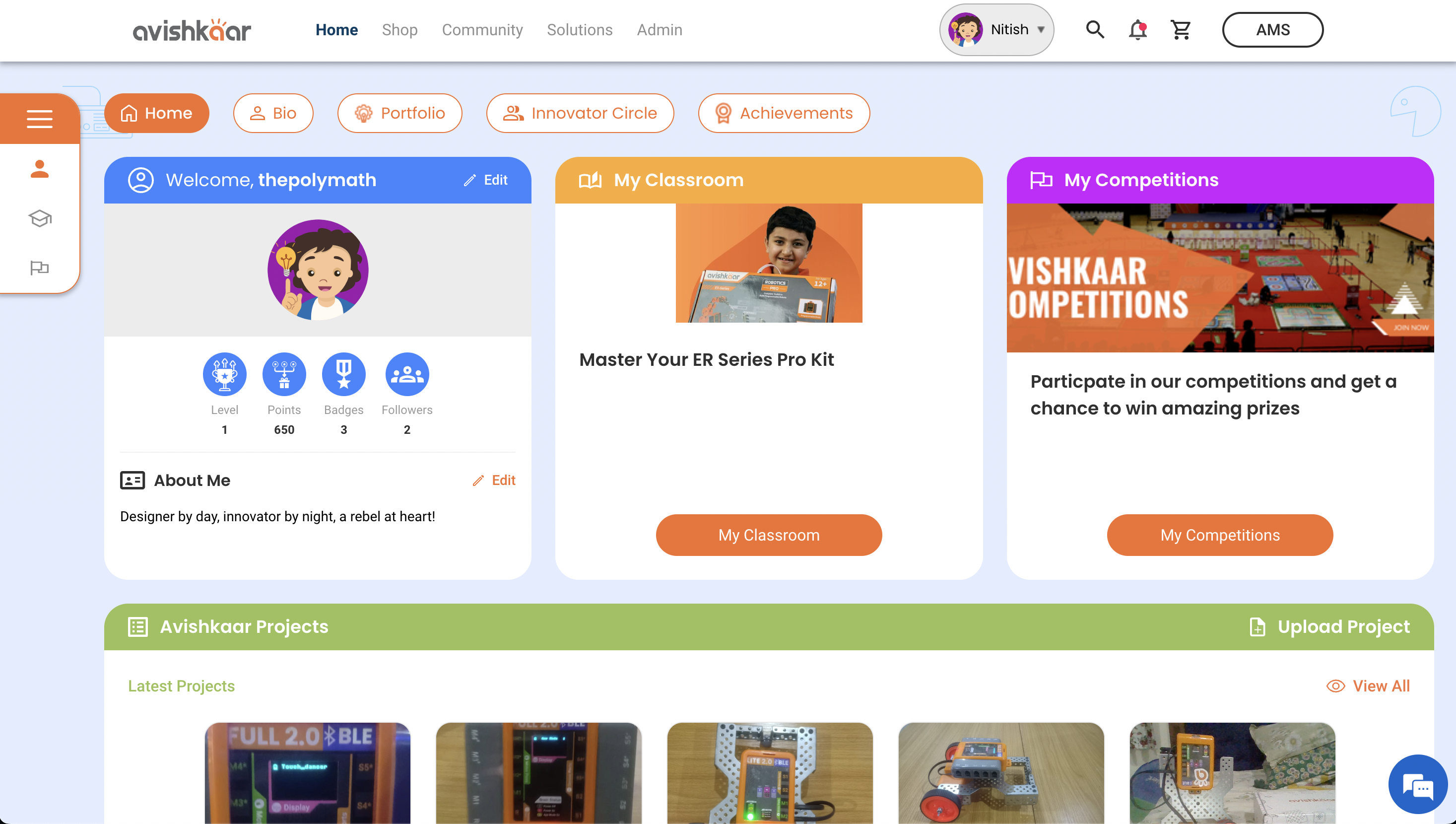
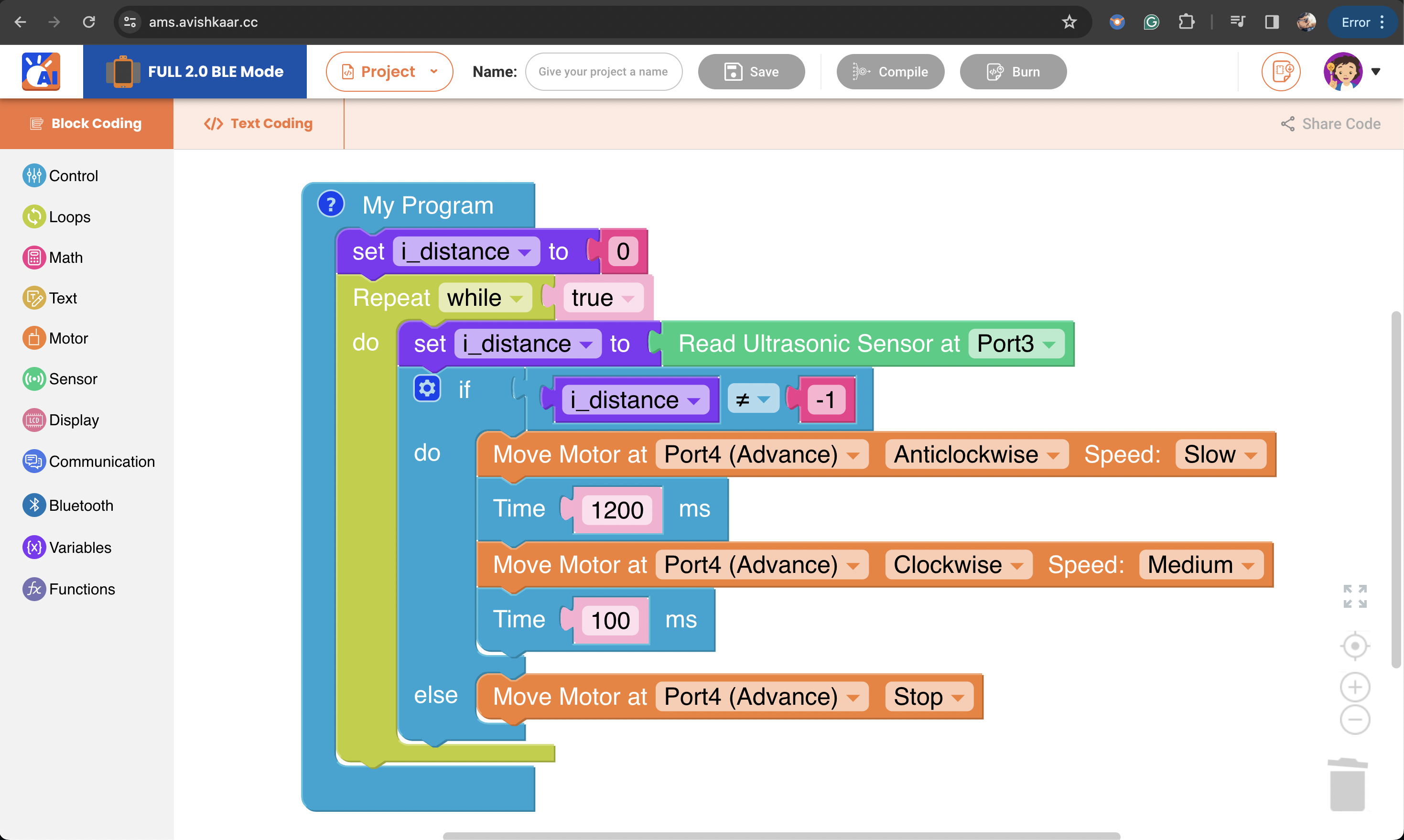
AMS – Avishkaar Maker Studio
The good thing for us was that by this point, we were selling 40,000 kits an year, each user was required to make an online account on our coding platform Avishkaar Maker Studio (AMS). So we already had a massive flow of users in our online simple ecosystem.
So the brief was to expand this platform’s vision and functionality so users would come back to it apart from just using it as a coding platform.
This meant focussing on providing an enriching post-purchase experience which materialised in four ways – an LMS (Learning Management System), an online community, a competitions platform and a gamifications mechanism.
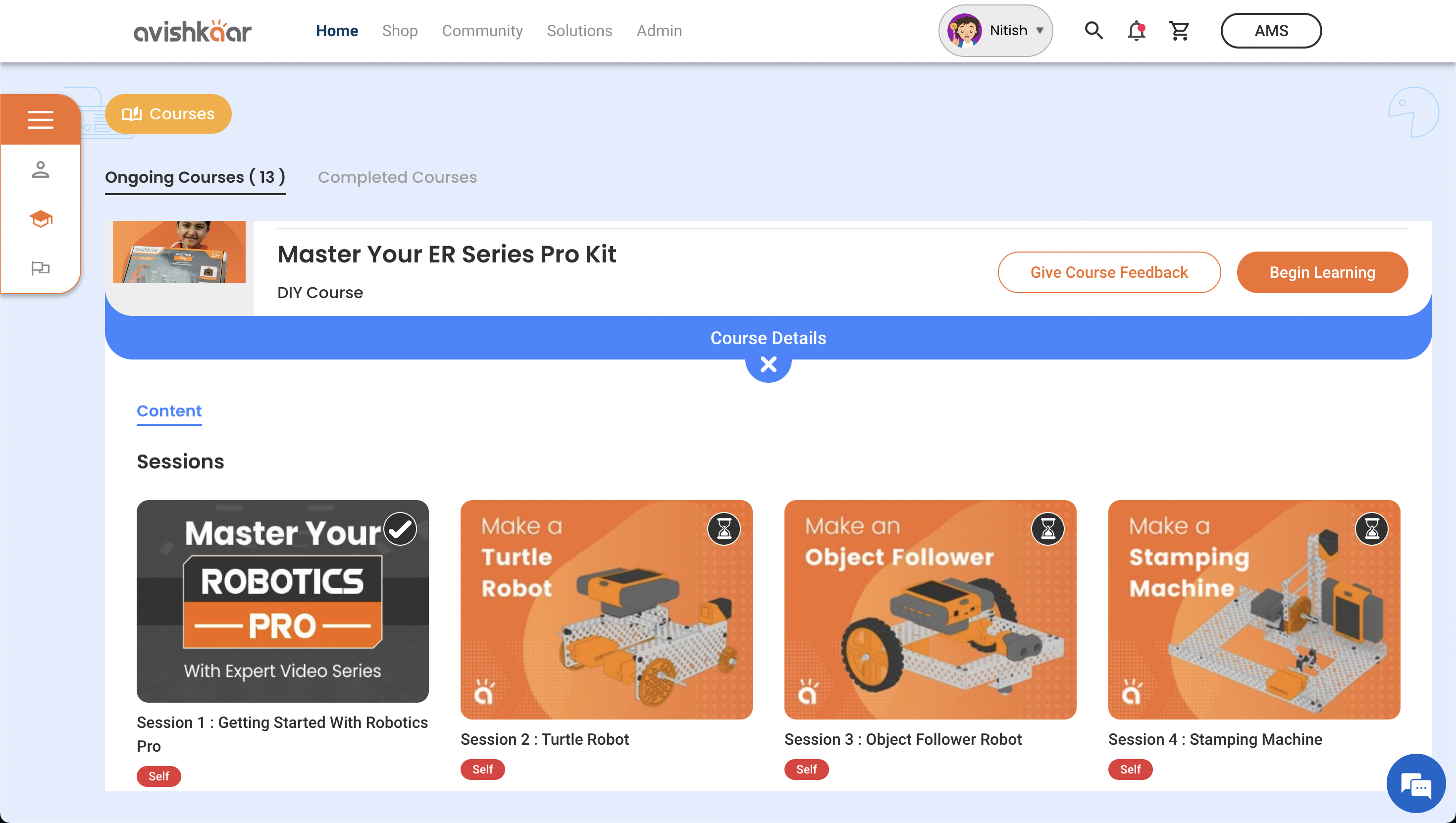
LMS – Learning Management System
A personalised learning management system to offer self-paced online courses to users based on their kits.
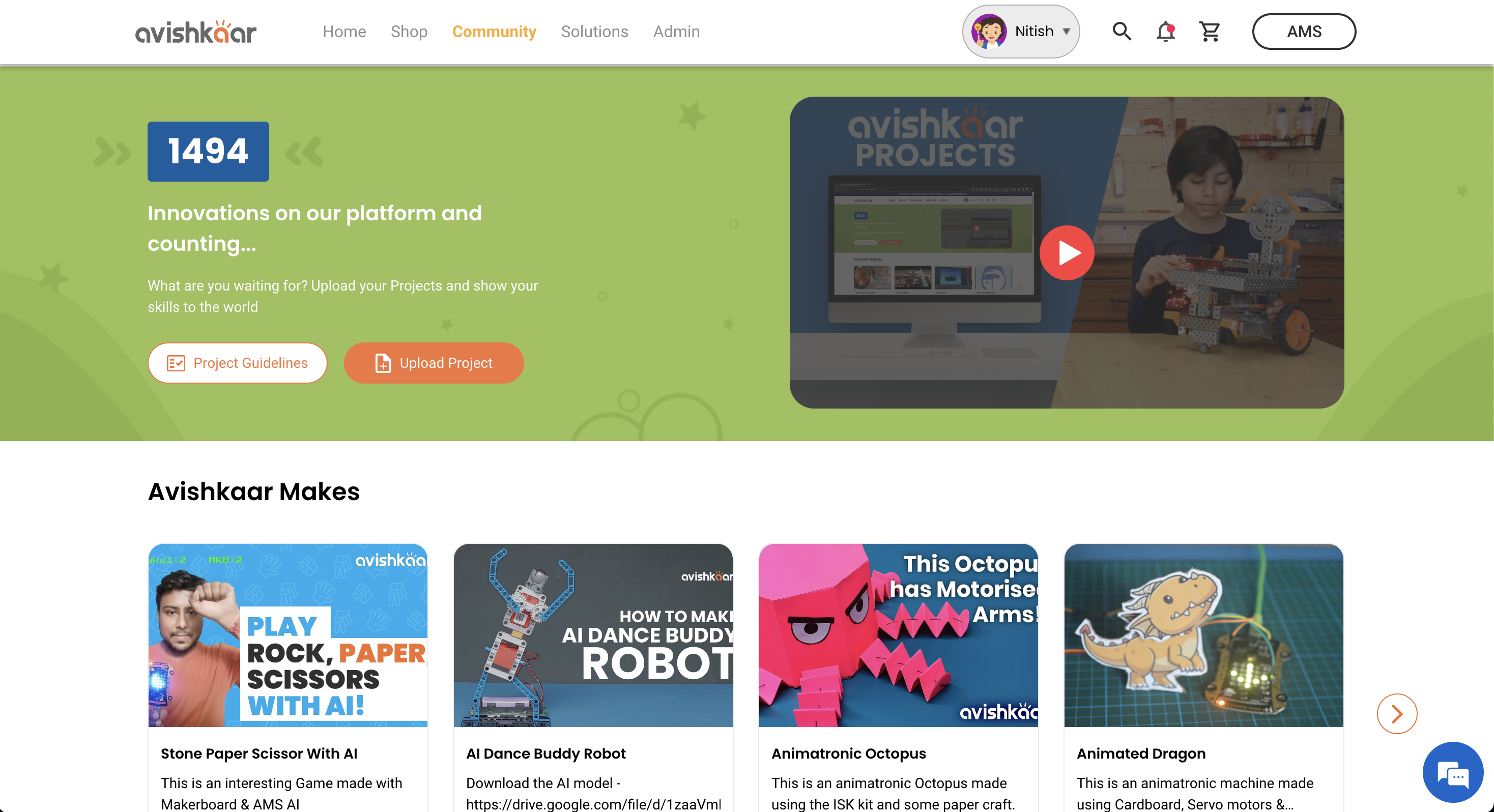
Online Community
A community platform to share their original creations, take inspiration from others and celebrate collective wins.
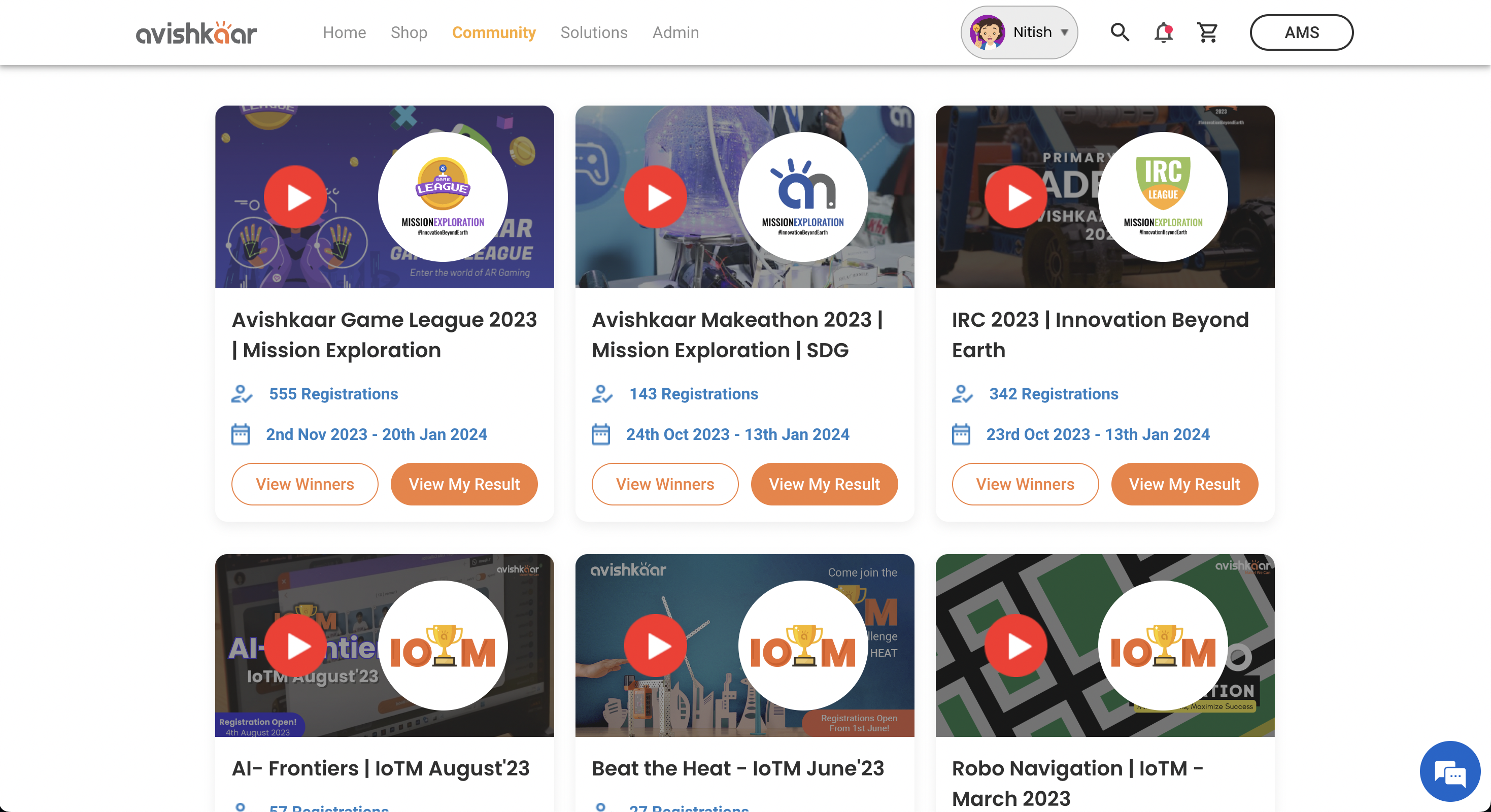
Competitions
We already has a suite of monthly/annual competitions that we used to run offline. We took the same operations and bought it online enabling global participation in these competitions.
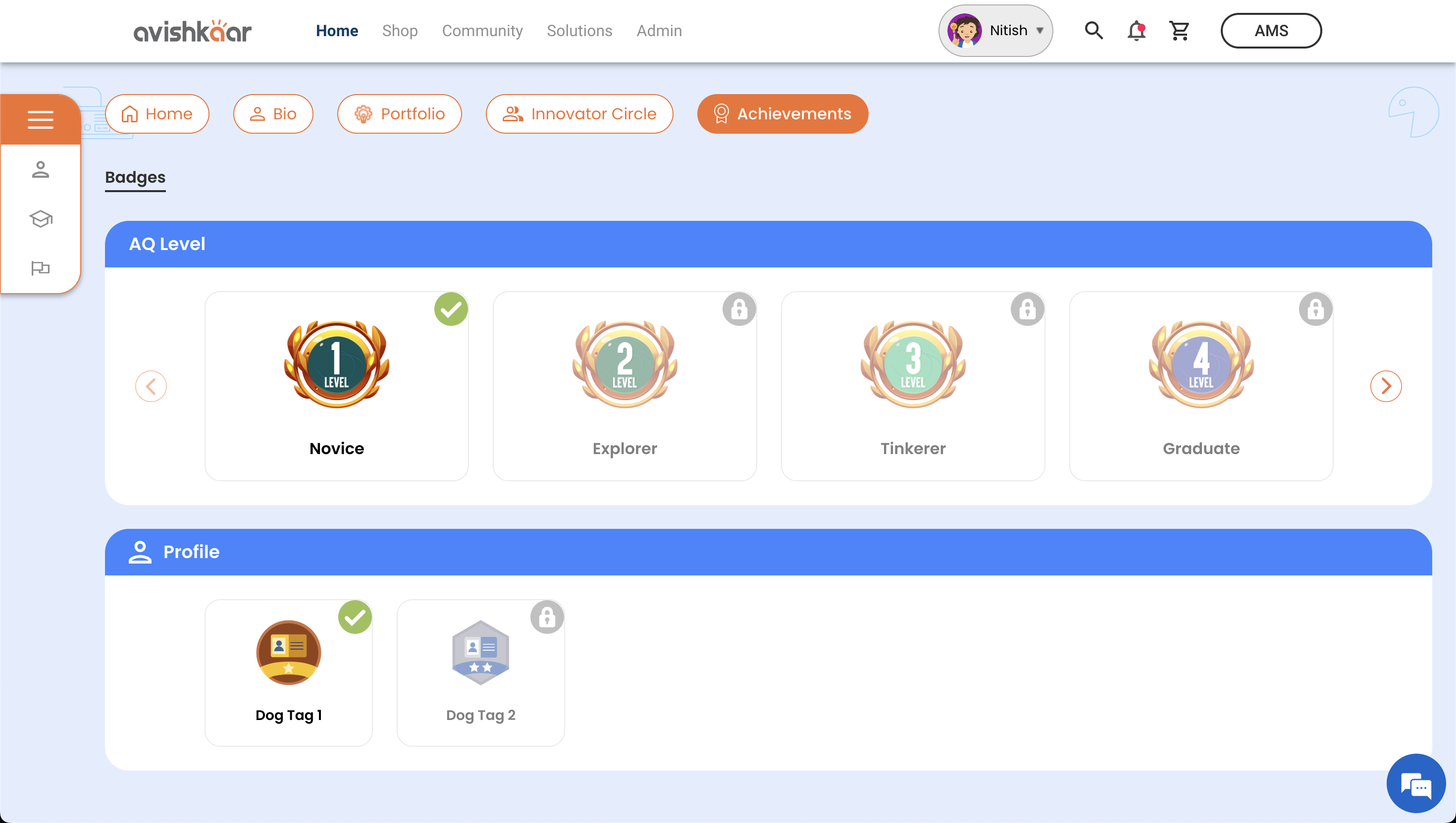
Gamification
And finally a gamified badge/point system to encourage users to utilize the different platform features.
The sales of our kits helped us gather close to 100,000+ users on the online platform and intelligent user tracking and meaningful upsell helped us maximize LTV from these users.
P.S.
So that was a tiny glimpse into a lot of key things I did in the past three years at Avishkaar. It was the time of my life, there were highs and lows. But I got the pleasure of working with a team that was always there with you both in your victories and your failures, and there’s nothing that beats it. 🙂
 Nitish Chopra
Leave a comment